Rebar Detection 101: What Every Contractor Should Know
A core drill stops dead halfway through a slab. It may have caught a bar, a PT cable, or a live conduit. Either way, work stops.
Most hits come down to one gap: nobody knew what was inside the concrete before cutting started. Finding the steel first closes that gap.
What Is Rebar Detection and How Does It Work?
It’s the process of finding reinforcing steel inside a slab, wall, column, or deck without breaking the surface. Two technologies handle most of this work.
Electromagnetic cover meters send a magnetic field into the concrete. Steel bars disturb that field, and the meter reads the disturbance to estimate bar position, cover depth, and often bar size.
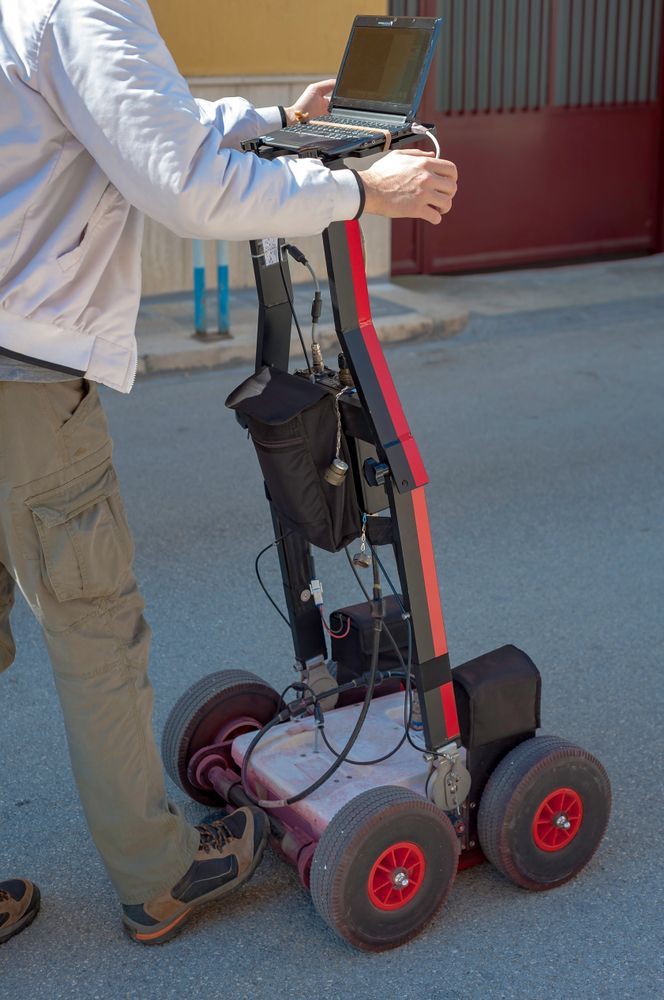
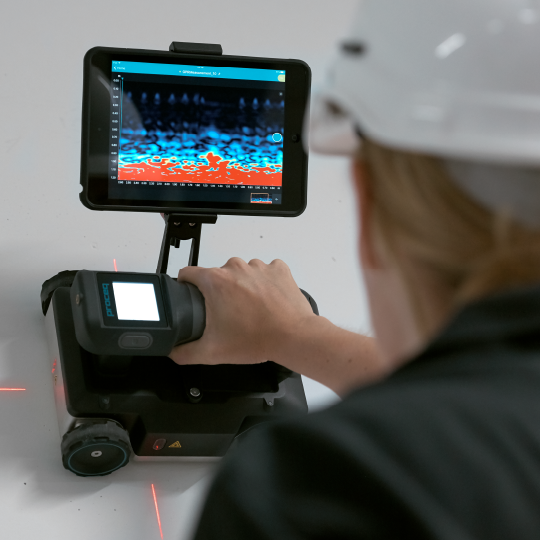
Ground penetrating radar sends radio pulses into the concrete. When a pulse hits a different material, part
of it bounces back. Steel reflects almost all of it, so rebar shows up as a bright arc on the scan screen. The top of that arc marks how deep the bar sits.
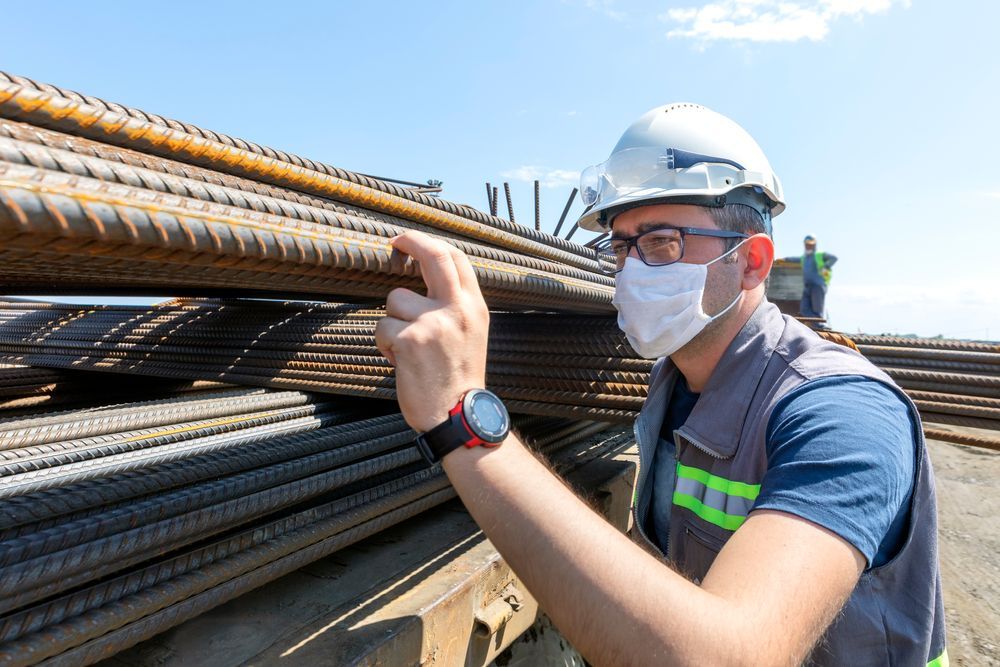
Why Rebar Detection Matters Before Concrete Work
Rebar carries load. Cutting a single bar may seem minor, but sever several near a column or beam, and an engineer may have to approve a repair before work continues. That means downtime, change orders, and a tough conversation with the owner.
The stakes climb in tensioned slabs. PT cables hold enormous stored force, and cutting one can whip the strand loose, injure workers, and weaken the floor. Embedded conduit is the other big worry, since a live line puts the operator at risk of shock. GPR can show where a conduit runs, but it can’t confirm a line is live, so pair scans with a power detector near suspected wiring.
Scanning first turns guesswork into a marked layout, so cores and cuts land in clear areas with a buffer on each side.
Common Methods and Tools for Rebar Detection
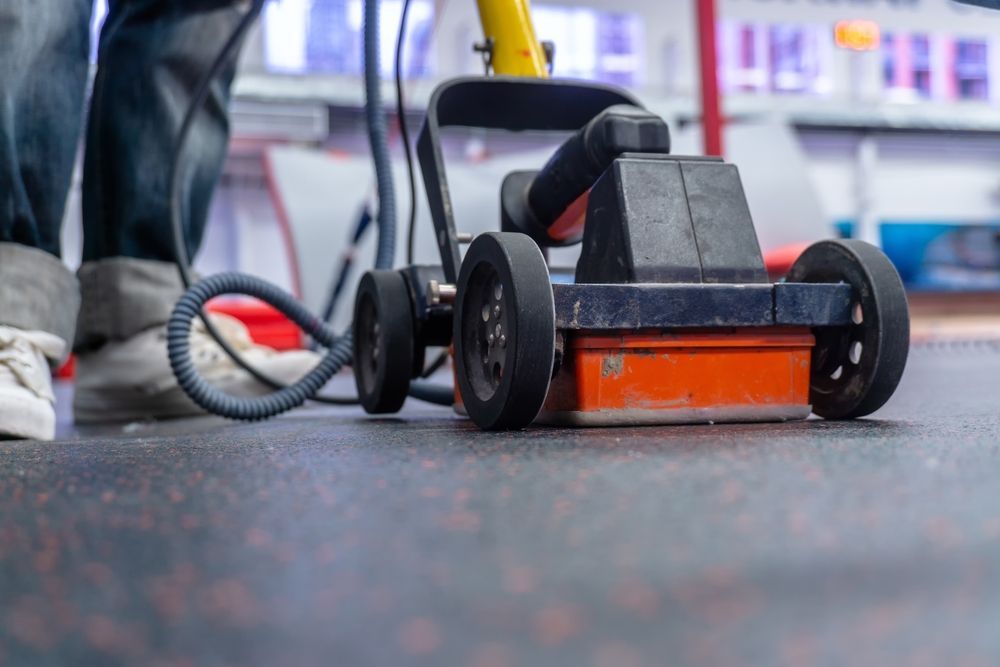
Each tool has a lane. Ground penetrating radar handles mapping. It shows rebar layout, spacing, and depth, and it can pick up nonmetallic targets like PVC conduit. Crews lean on it for tensioned slabs and congested decks.
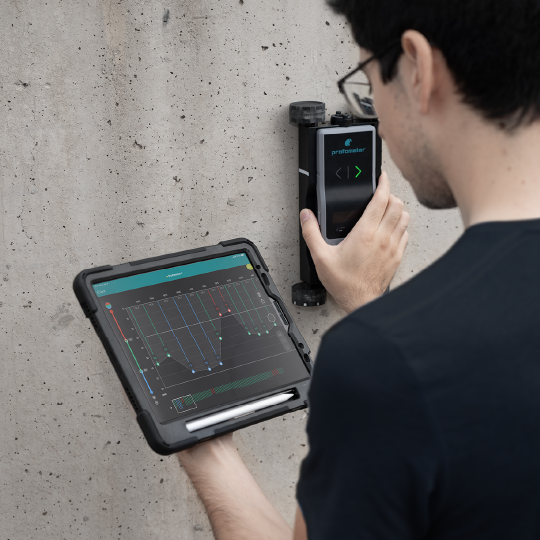
Cover meters are the measuring tool. GPR isn’t the best choice for sizing bars, so crews often pair it with a cover meter like the
Profometer PM8000, which reads cover depth and bar diameter. Cover meters can’t see plastic and work best near the surface. The PM8000 reads cover to about 7.3 inches but sizes bars only within about 2.5 inches.
Concrete X-ray gives the sharpest image but needs access to both sides and a cleared radiation zone.
Many teams carry both GPR and a cover meter, since each covers the other’s blind spots.
When Should You Scan Concrete for Rebar?
Scan before any work that goes into existing concrete. That includes coring for plumbing, electrical, or HVAC penetrations; saw cutting openings for doors, windows, or trenches; drilling for anchors, handrails, or machinery mounts; and partial demolition of a slab or wall.
Scan anytime drawings are missing, outdated, or don’t match the field. Timing matters too. Fresh concrete holds a lot of water, which weakens radar signals, so scans on newly poured slabs are less reliable. Plan scan dates around cure time, especially with fall and winter pours.
What Can Rebar Scanning Tell You?
Depending on the tool, a scan can show:
- Bar location and spacing
- Concrete cover, or how deep the first layer sits
- Bar size, measured most reliably with a cover meter
- Mat orientation and if there’s a top and bottom layer
- Nearby embedded items like conduit, cables, and voids
For engineers and inspectors, cover and spacing data helps check work against design specs and flag thin cover that could lead to corrosion. Radar scans can also catch
plastic pipes, voids, and other nonmetallic targets that a cover meter misses.
Industries and Projects That Benefit From Rebar Scanning
General contractors lean on it for renovations, tenant buildouts, and MEP penetrations. Engineering and consulting firms use it for condition assessments and design checks, while government agencies and DOTs scan bridges, tunnels, and parking structures. Cutting and coring contractors need clear spots before every hole, and facility teams in hospitals, schools, and plants count on it to avoid expensive downtime.
Parking garages and bridge decks stand out. They often combine dense reinforcement, tensioned cables, and years of wear that make cover checks worthwhile.
What Can Affect Rebar Scanning Accuracy?
Even good scanners have limits:
Shadowing.
Metal reflects nearly all radar energy, so objects under a dense rebar mat can stay hidden.
Moisture.
Wet or green concrete cuts signal depth.
Steel fibers.
Fiber-reinforced concrete scatters radar and muddies the image.
Nearby metal.
Other conductive items close to a bar can throw off cover meter readings.
Operator skill.
Settings, scan patterns, and data reading all shape results.
Scanning in two directions or confirming with a second tool helps tighten GPR accuracy.
How to Choose the Right Rebar Detection Service
Some teams hire a scanning company. Others bring the work in-house. The right call depends on how often crews cut into concrete. When hiring out, ask what tools the technician uses, how findings get marked and documented, and what training they’ve had.
If scanning comes up weekly, owning equipment can pay off quickly, and a simple three-step plan keeps it on track. First, match the tool to the job: a cover meter for cover and bar size, GPR for mapping and tensioned slabs, or both for complex work. Next, get trained, since hands-on instruction from people who use this gear in the field shortens the learning curve. Finally, scan, mark, then cut. Clear debris and standing water, zero the cover meter on a metal-free spot, and lay out safe zones before every core. Keep scanners calibrated and repaired.
Explore Rebar Detection Equipment From GPR USA
GPR USA helps contractors, engineers, and agencies see inside concrete before the first cut. As an authorized Screening Eagle / Proceq distributor, the team sells jobsite-ready scanners and backs them with GPR training, responsive support, and concrete scanner repair.
Picture a crew that marks layouts with confidence, cores on schedule, and wraps the job without a hit or a surprise call to the engineer. That starts with the right tool and the know-how to use it.
Browse
rebar locators and cover meters or contact us for more information.