
GPR Frequency Selection: High vs. Low Frequency Antennas

September 29, 2026

Share this Article:

Choosing the right GPR frequency comes down to what needs to be found and how deep it is. Higher frequencies generally show smaller, closely spaced targets with greater detail, while lower frequencies can penetrate deeper in suitable conditions.


That trade-off matters when locating rebar in concrete, searching for buried utilities, or marking safe areas before cutting or drilling. Target size, moisture, soil conditions, and reinforcing steel can also affect what the scanner detects, so antenna frequency is only one part of the decision.

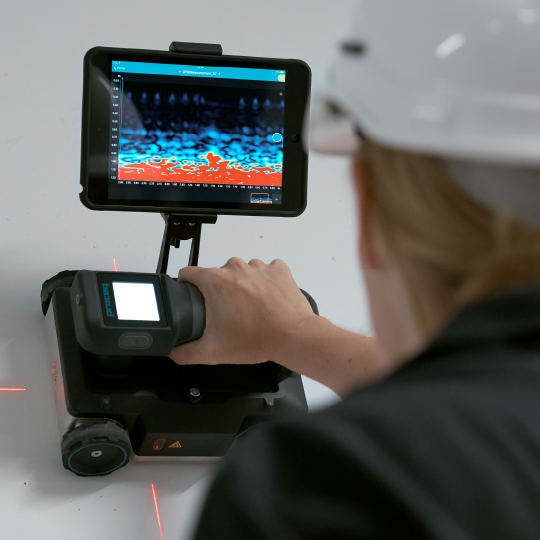
Person operating a laser measuring device with a tablet display showing scan data

What Is GPR Frequency and Why Does It Matter?

GPR antennas transmit electromagnetic energy into concrete, soil, and other materials and record reflections from changes below the surface. Frequency, typically measured in megahertz (MHz) or gigahertz (GHz), affects the wavelength of that signal and what the system can resolve.


Higher frequencies use shorter wavelengths that are better suited for detecting smaller targets and separating objects that are close together. Lower frequencies use longer wavelengths that can travel farther through favorable materials but capture less detail. Selecting the right GPR frequency starts with the target: its expected size, depth, and surrounding material all influence which range fits the job.

High vs. Low GPR Frequency: The Depth and Resolution Trade-Off

Every antenna involves a trade-off between resolution and depth. As frequency increases, the system can distinguish smaller targets and tighter spacing, but the signal generally does not penetrate as far. Lower frequencies favor greater GPR penetration depth, though fine details become harder to resolve. Site conditions can shift that balance considerably, so published depth ranges should be treated as estimates rather than guarantees. The best range depends on what needs to be found and where it is expected.

When to Use High-Frequency GPR Antennas for Concrete Scanning

High-frequency antennas are commonly used when scanning concrete for rebar, post-tension cables, conduits, and other closely spaced targets. Their shorter wavelengths help separate small objects and produce the detail needed when marking locations before drilling, coring, or cutting. This makes high-frequency concrete scanning equipment a practical choice for slabs, walls, columns, and similar structures. Usable depth still varies with concrete thickness, moisture, reinforcement density, and other conditions that can weaken or obstruct the radar signal.

When to Use Low-Frequency GPR Antennas for Utility Locating and Deeper Subsurface Imaging

Lower-frequency antennas are better suited to larger targets located deeper below the surface, including buried pipes, utilities, and subsurface features. This type of subsurface mapping equipment trades some target resolution for greater penetration, which can be useful across larger survey areas. Lower frequency does not guarantee that every deep target will appear. Conductive soils, moisture, clay, target size, and contrast with surrounding material can limit usable depth, even when the antenna is designed for deeper investigations.

How Soil, Concrete, Moisture, and Site Conditions Affect GPR Frequency Selection

Frequency alone does not determine usable scanning depth. Conductive materials can weaken radar signals before they reach the intended target. Wet or clay-rich soils, for example, can limit penetration even with a lower-frequency antenna. Changes in weather and soil conditions can also affect how radar energy travels through the ground from one job to another. In concrete, moisture, salts, dense rebar, and reinforcing mesh may reduce penetration or obscure objects below them. These conditions should be considered alongside frequency so crews set realistic depth expectations and recognize when deeper targets may be difficult to detect.

Why Target Size and Depth Matter as Much as Antenna Frequency

A signal reaching the right depth does not mean every object at that depth will be visible. Smaller targets generally need higher resolution, while larger objects can often be detected with lower-frequency antennas at greater depths. Target material and its contrast with the surrounding concrete or soil also affect the strength of the reflection. Knowing the materials GPR can detect underground helps set realistic expectations before scanning begins. Crews should consider target size, expected depth, material, and spacing together when selecting a system, especially when small utilities or tightly spaced reinforcement are the main concern.

When Dual-Frequency and Multi-Frequency GPR Systems Make Sense

Some jobs involve targets at several depths or a mix of small and large objects. Dual-frequency and multi-frequency systems can capture a broader range of subsurface information without switching between separate antennas. This can be useful when scanning complex concrete or investigating sites where target depth is uncertain. Screening Eagle / Proceq systems such as the GP8000 use stepped-frequency technology to collect both shallow, high-resolution data and deeper information during the same scan. Broader frequency coverage can reduce equipment changes in the field, though material conditions, target characteristics, and operator interpretation still affect the results.

Choosing the Right GPR Frequency to Avoid Hits When Cutting, Drilling, or Excavating

Frequency selection becomes especially important when a missed target could lead to damaged rebar, conduit, PT cables, or buried utilities. Before work begins, crews can narrow the choice with three practical steps:

  • Identify the target: Consider its likely size, material, and spacing.
  • Estimate the depth: Match the frequency range to the expected target depth and needed resolution.
  • Account for site conditions: Factor in concrete reinforcement, moisture, soil, and other conditions that may limit detection.

A well-matched system produces more useful data for marking safe zones and reducing the risk of hits.

Why GPR Frequency Is Only Part of Getting Reliable Results: Equipment, Training, and Interpretation

The right antenna is only useful when the collected data is interpreted correctly. Equipment setup, scan direction, surface conditions, target orientation, and operator experience can all affect what appears in the data. Practical GPR training helps operators recognize target patterns, clutter, and other signals that could otherwise lead to incorrect conclusions. The same factors also influence GPR accuracy, especially on complex sites with dense reinforcement or difficult soil conditions. Reliable scanning comes from pairing jobsite-ready equipment with trained operators who understand the system’s capabilities and recognize when site conditions limit the findings.

Get the Right GPR System, Training, and Support for the Job

Choosing a GPR system starts with the work it needs to handle, from detailed concrete scanning to deeper subsurface imaging. GPR USA works with contractors, engineering professionals, and government teams seeking jobsite-ready scanners, hands-on training, and dependable technical support. As an authorized Screening Eagle / Proceq distributor, GPR USA also handles scanner repair and ongoing service after the initial purchase. The goal is straightforward: match the equipment to the application, build operator confidence, and keep crews prepared to scan safely and efficiently. Contact GPR USA for more information.

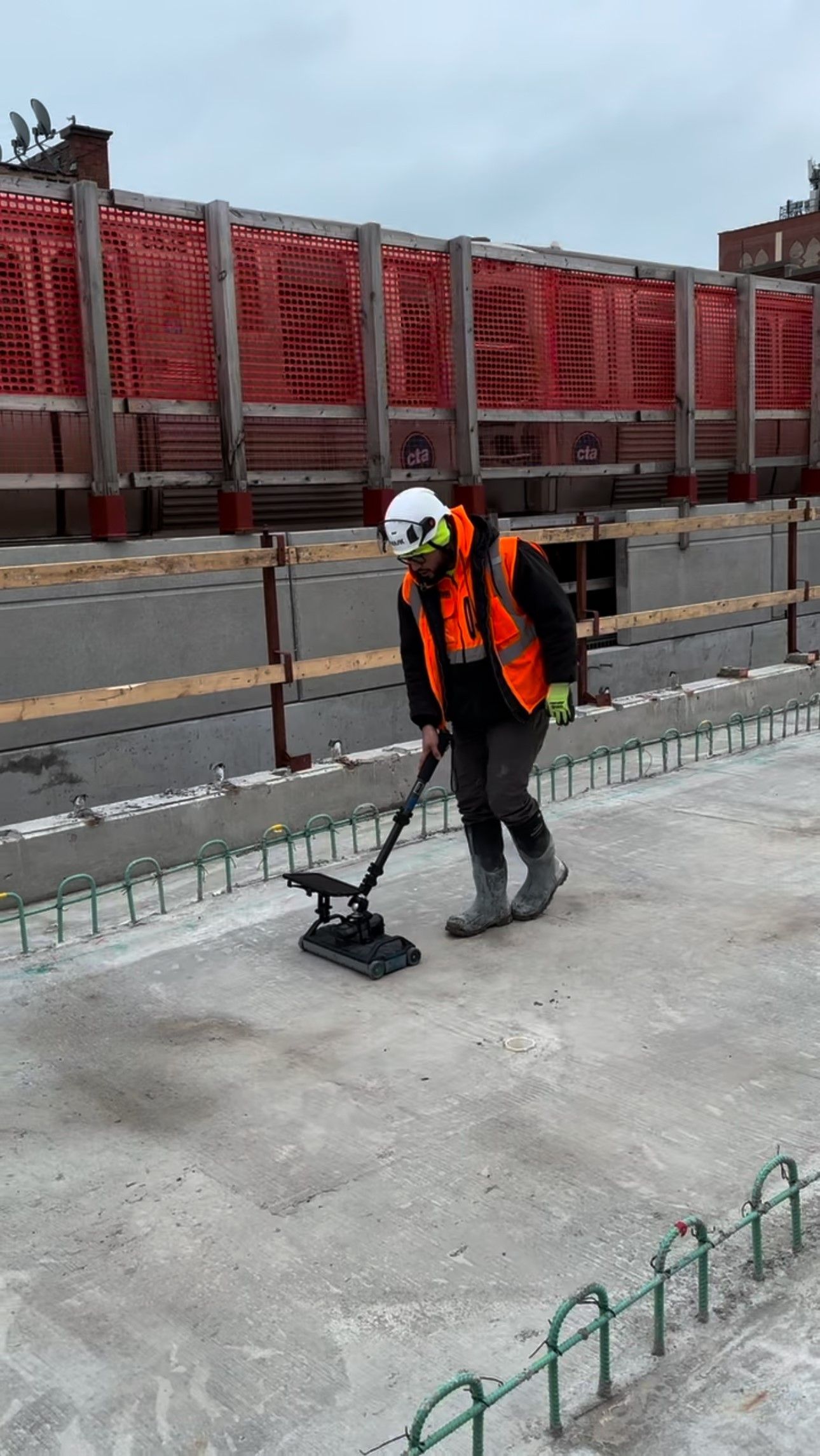
Worker in orange vest sweeping a concrete construction site near red barriers.

Share with Us!

Ground penetrating radar inside.
August 27, 2026
Learn when to repair or replace GPR equipment and how GPR USA can help you choose the right solution.
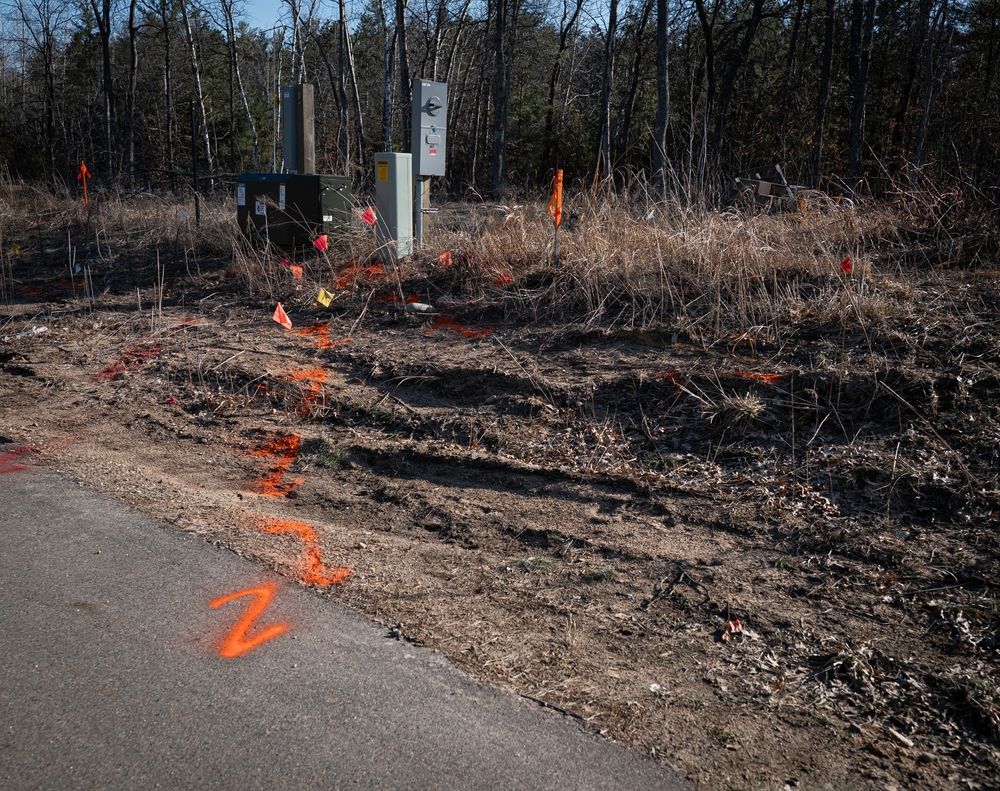
Orange survey markings on a dirt roadside near utility boxes and a wooded area
July 27, 2026
Discover how soil, moisture, and weather influence GPR depth and improve scanning expectations with expert guidance from GPR USA.
Person operating a remote-controlled mower on a paved path outdoors, wearing a high-vis vest.
July 21, 2026
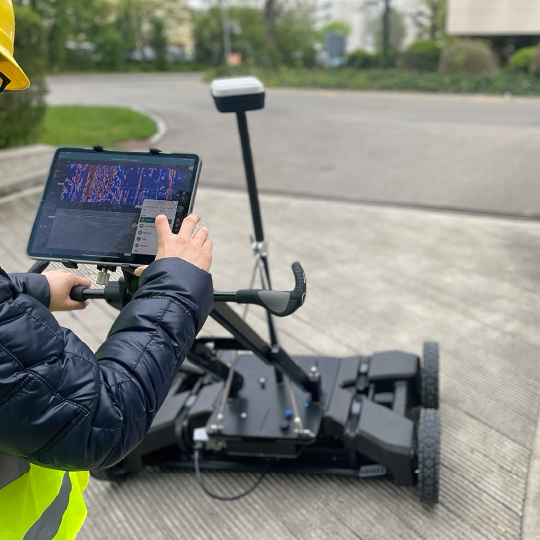
Learn what affects GPR accuracy in concrete scanning, plus best practices from GPR USA for safer drilling decisions today.
Person using a black and orange floor-cleaning machine on a tiled surface
June 15, 2026
Compare ultrasonics vs GPR for concrete assessment. Learn when each method excels with insights from GPR USA experts.
Orange-and-black ground robot on cobblestone pavement beside a person’s legs and shoes
May 15, 2026
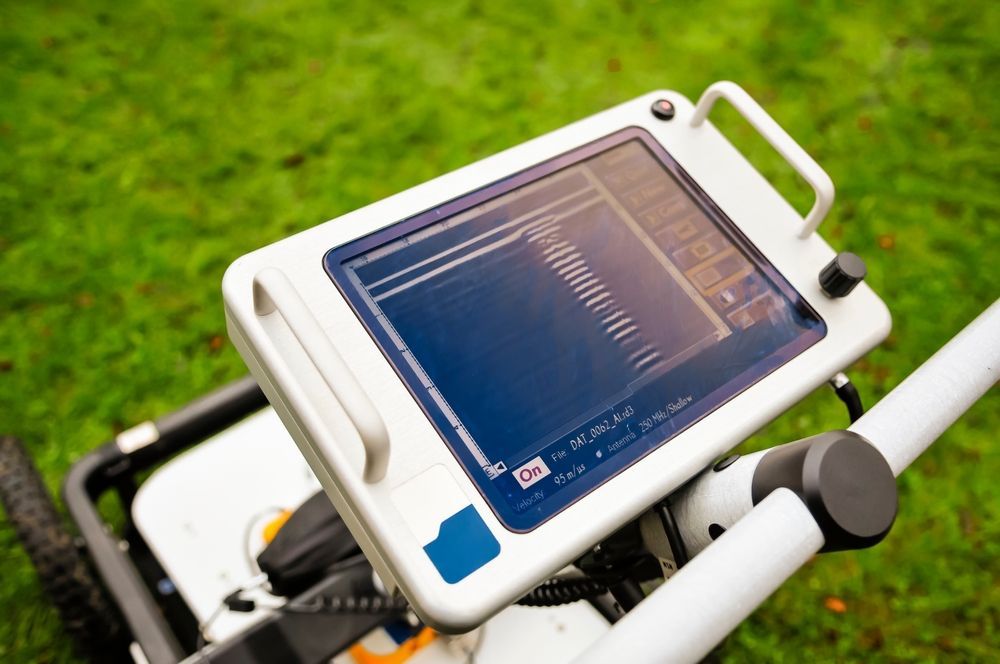
Compare handheld vs cart GPR systems with GPR USA and find the right setup for concrete scanning and utility mapping.
A close-up view of a ground-penetrating radar display screen mounted on a cart, set against a green grass background.
March 12, 2026
Explore the top industries for GPR scanning, from construction to infrastructure inspections. Learn how GPR USA helps teams detect hidden subsurface risks.
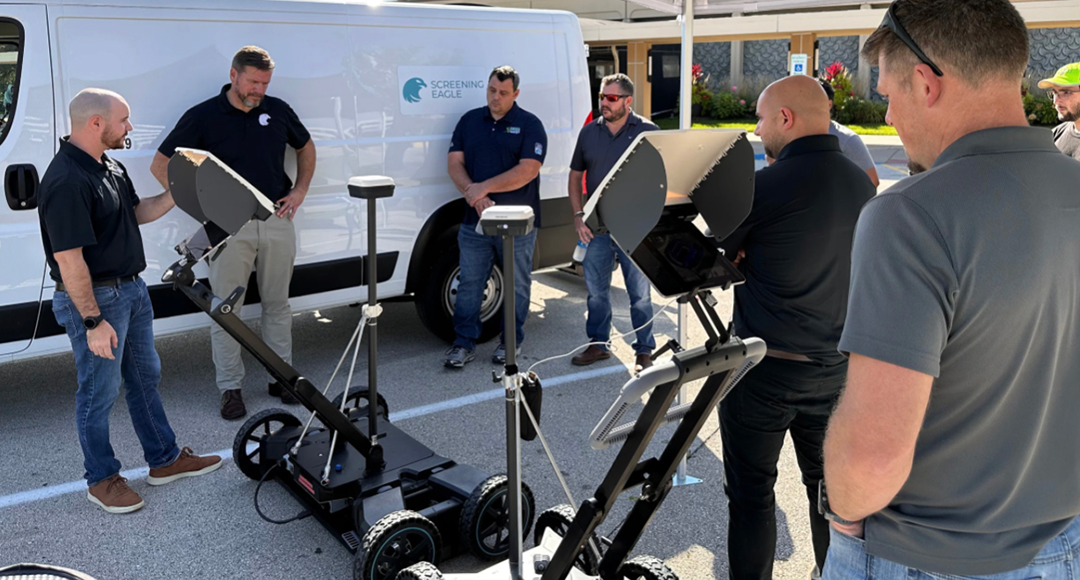
Group of men with surveying equipment near a white van, outdoors.
February 26, 2026
Build real GPR training confidence with hands-on instruction and support from GPR USA. Strengthen field performance today.
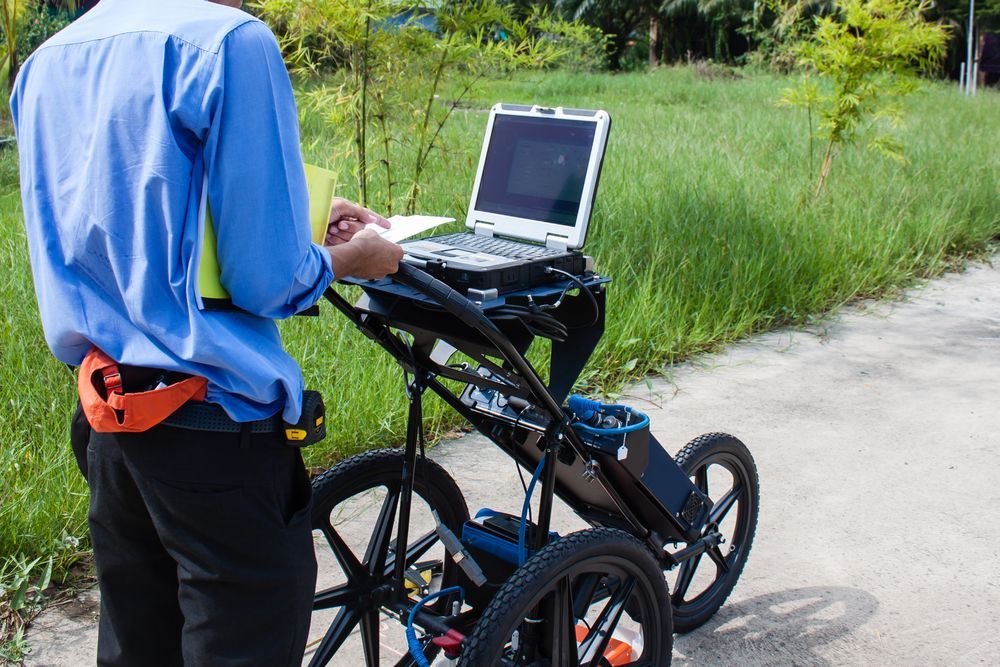
Man using ground-penetrating radar on a cart outdoors. He's wearing blue and black, with a laptop open.
February 18, 2026
Explore concrete x-ray differences with GPR USA and learn how scanning methods affect safety, accuracy, and jobsite efficiency.
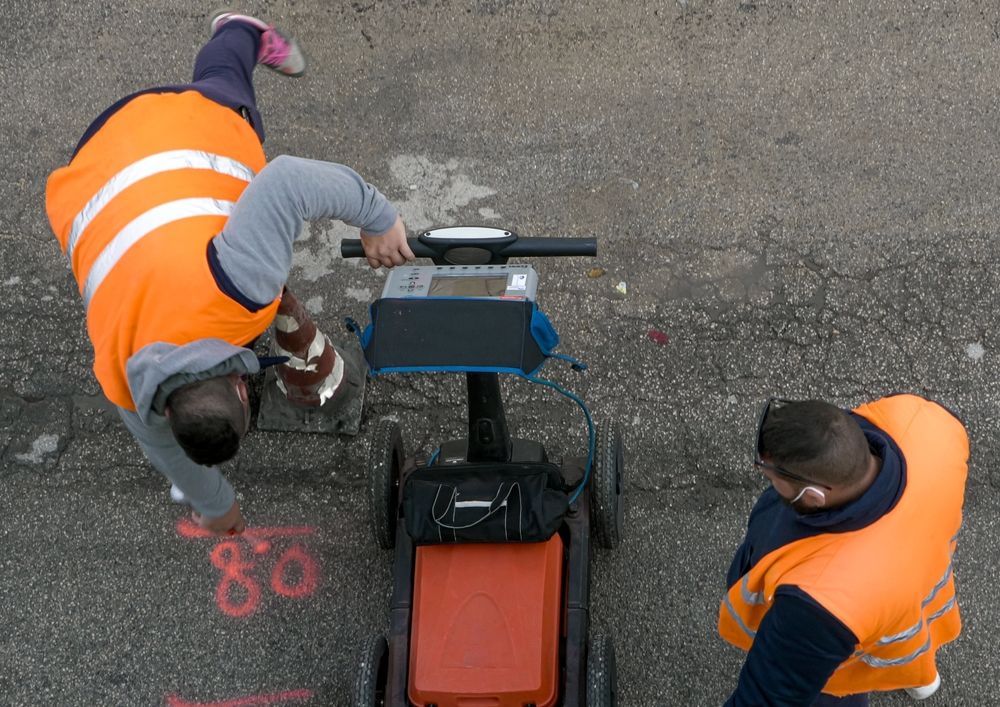
Two people in orange vests using ground-penetrating radar on asphalt, marking the ground.
January 9, 2026
Should you buy GPR, rent GPR, or hire help for utility locating? Compare GPR for utility locating with GPR USA.
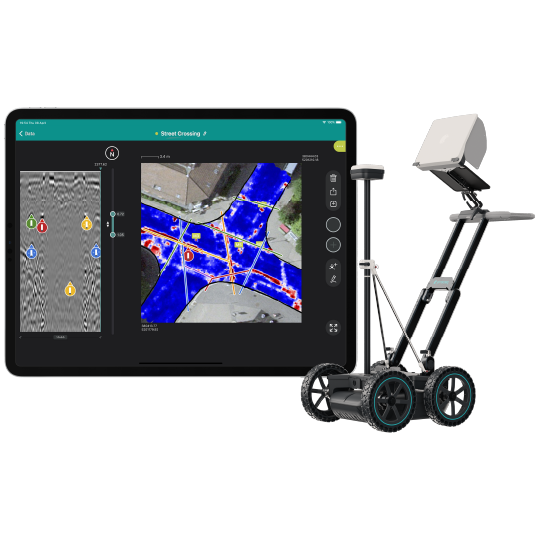
Tablet displaying underground utility map with a GPR cart.
January 8, 2026
Learn the top uses of GPR construction scanning to improve safety, avoid hits, and plan accurately with experts at GPR USA.
Show More