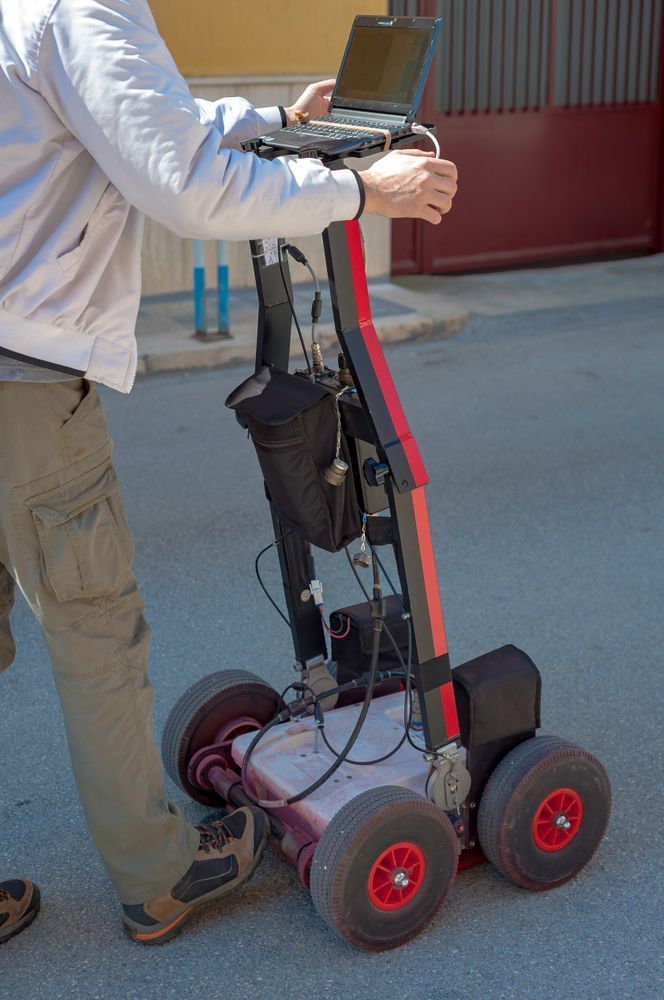
When to Repair vs. Replace Your GPR Equipment
Repair a GPR scanner when the problem is isolated, the unit still produces reliable data, and the repair cost is reasonable for its remaining service life. Replacement usually makes more sense when breakdowns become frequent, accuracy is questionable, or downtime starts interfering with scheduled work.
The age of your GPR equipment is only part of the decision. Repair history, field performance, safety, and current scanning needs can help determine which option makes better financial and operational sense.

Why GPR Equipment Condition Matters on the Job Site
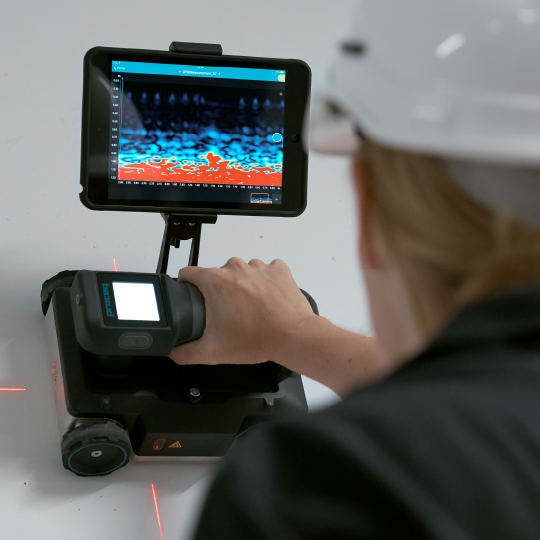
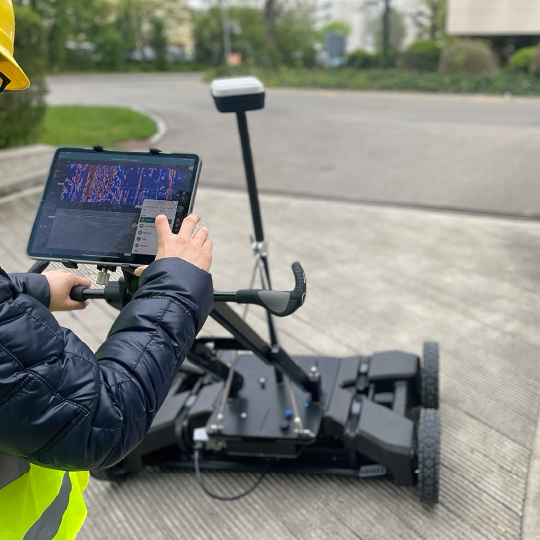
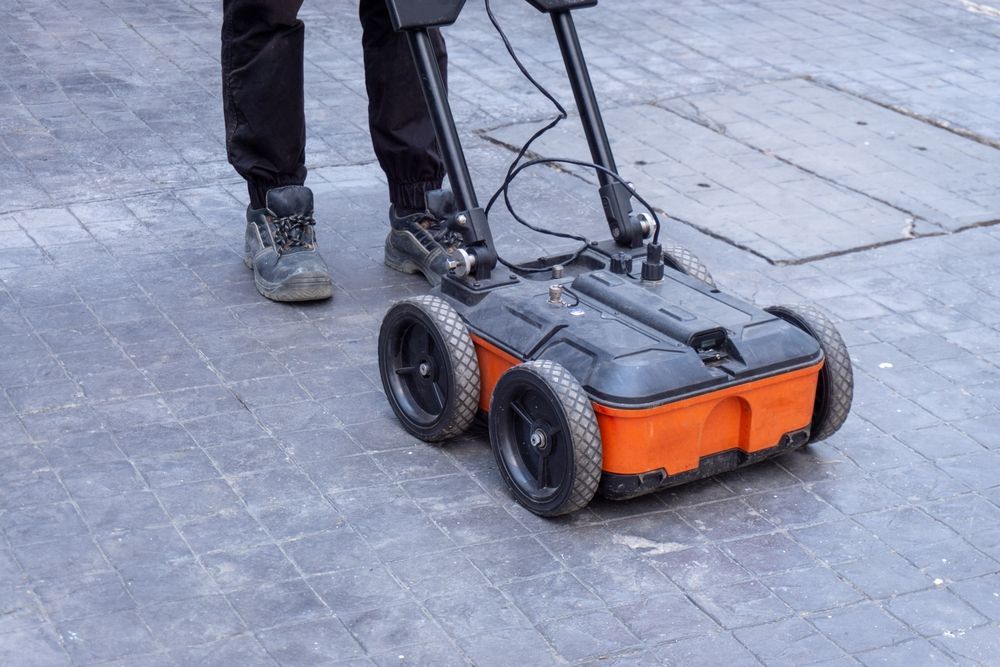
A scanner needs to be dependable every time it goes into the field. Worn components, battery problems, damaged wheels, or inconsistent performance can slow a crew down and raise questions about the data being collected.
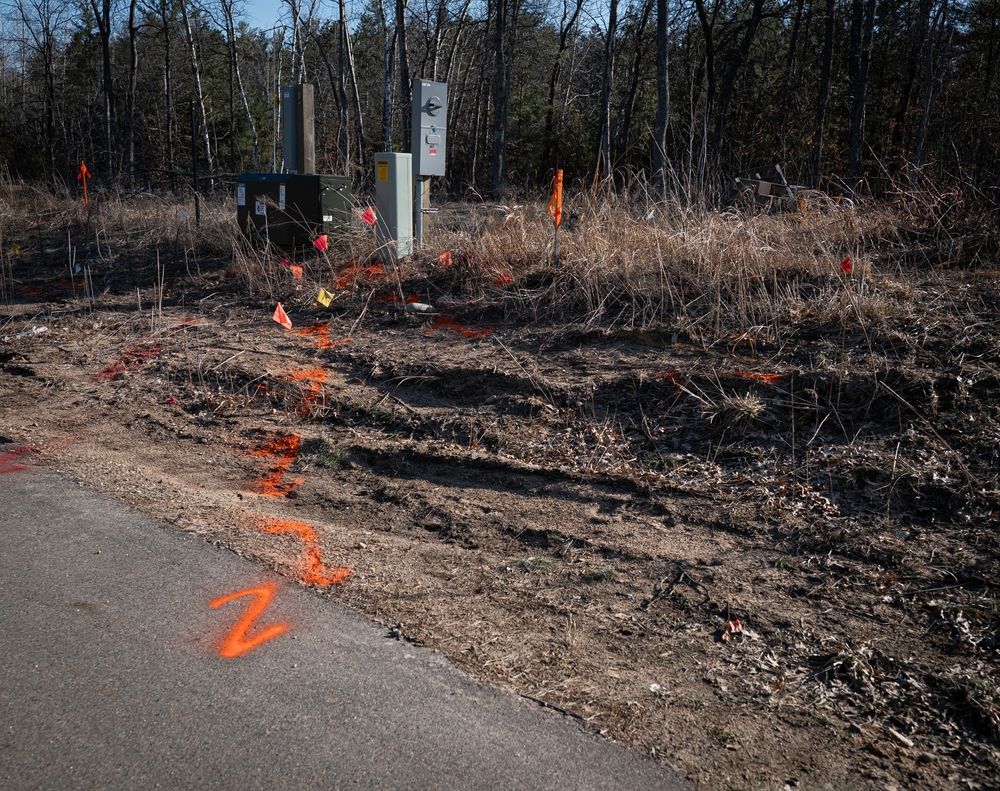
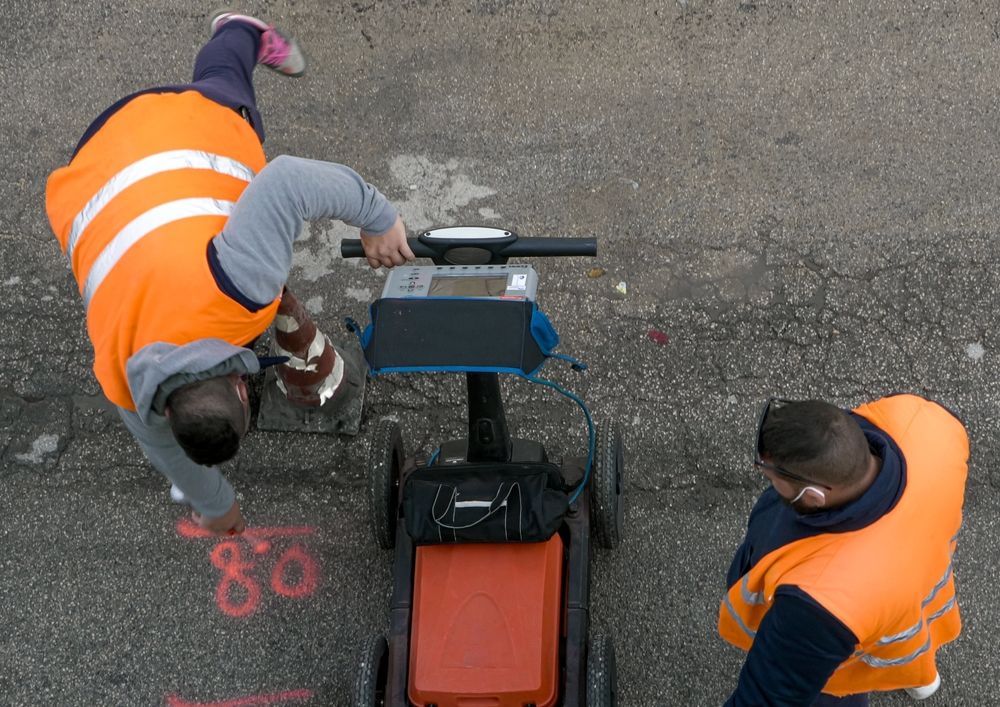
Those problems carry more weight when scan results are used to locate embedded objects or establish safe zones before cutting, drilling, or coring. Unplanned downtime can also delay scheduled work and leave crews without a scanner when they need one. Keeping GPR equipment in good working condition helps protect scan quality, jobsite efficiency, and confidence in the information crews use to plan their work.
Common Signs Your GPR Equipment Needs Repair
GPR problems do not always start with a complete failure. Smaller changes in performance can point to wear, damage, or a component issue that should be checked before the next job.
Watch for signs such as:
- Inconsistent scan data or unexpected image quality
- Wheels or encoders that track distance incorrectly
- Batteries that drain faster than normal
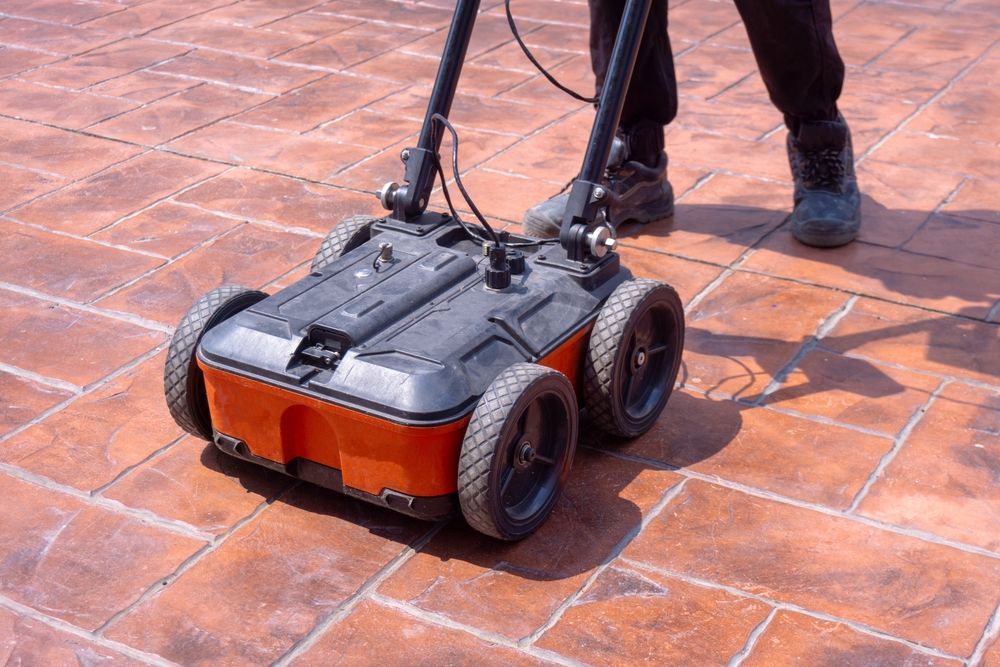
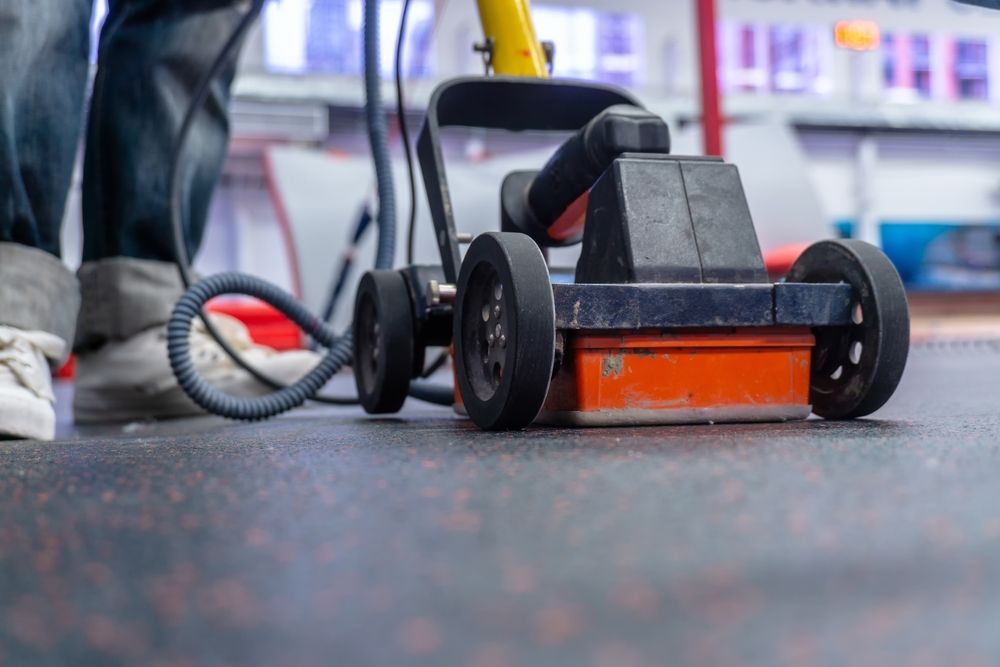
- Damaged cables, connectors, screens, or housings
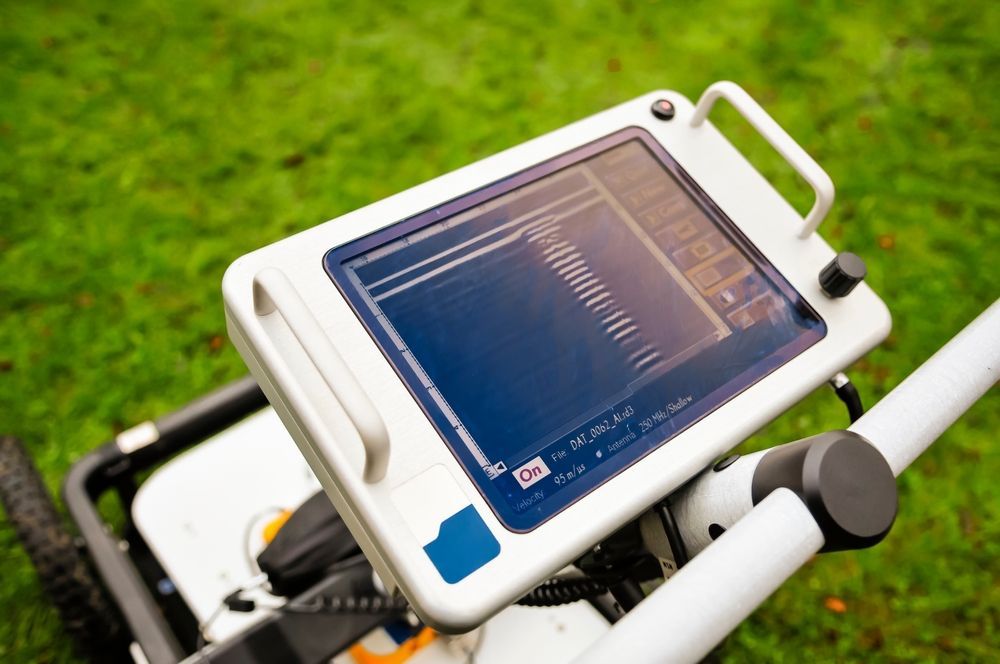
- Software errors, freezing, or connection problems
- Frequent shutdowns or difficulty powering on
A professional inspection can help identify the source of the problem and determine if repair can return the scanner to dependable field use.
When a GPR Repair Is the Smarter Investment
Repair is often the practical choice when the scanner has an isolated problem and still meets the crew’s needs in the field. A damaged component, battery issue, or software problem may not justify replacing a system that otherwise produces dependable results.
The repair history matters too. A unit with few previous problems and years of useful service ahead may be a strong candidate for
Proceq GPR repair. Consider the repair cost, expected turnaround time, parts availability, and upcoming workload. If service can return the scanner to reliable operation without recurring downtime, keeping it in rotation may be the better investment.
When It Makes More Sense to Replace Your GPR Equipment
Replacement becomes worth considering when an older scanner starts creating recurring costs or no longer fits the work crews perform. Reviewing ground-penetrating radar cost alongside recent repair expenses can put the decision into perspective.
Replacement may be the stronger option when:
- Repairs are becoming frequent or increasingly expensive.
- Older hardware or software limits current scanning workflows.
- Downtime regularly disrupts jobs, schedules, or crew productivity.
Newer capabilities can also justify an upgrade when the existing scanner no longer meets application needs. The goal is to invest before an aging system becomes a recurring source of delays, uncertainty, and added expense.
How Downtime, Accuracy, and Safety Factor Into the Decision
A scanner that spends too much time out of service can affect scheduling, crew productivity, and project costs. Accuracy deserves equal attention. If operators begin questioning scan results, reviewing ground-penetrating radar accuracy can help separate normal site limitations from signs that the scanner needs inspection or replacement.
Safety raises the stakes further. Crews rely on scan data to locate embedded objects and identify safe zones before cutting, drilling, or coring. When recurring equipment problems reduce confidence in those findings, continued use can create unnecessary risk. Reliable performance helps crews plan work efficiently and avoid costly hits on the jobsite.
Choosing Jobsite-Ready GPR Equipment for Your Next Upgrade
An upgrade should match the applications crews handle instead of focusing only on newer features. Compare
subsurface mapping equipment and
concrete scanning equipment based on the work the scanner will perform, the data crews need, and how easily the system fits existing workflows.
Before selecting a unit, consider:
- Depth and resolution needs for typical projects
- Portability and durability for field conditions
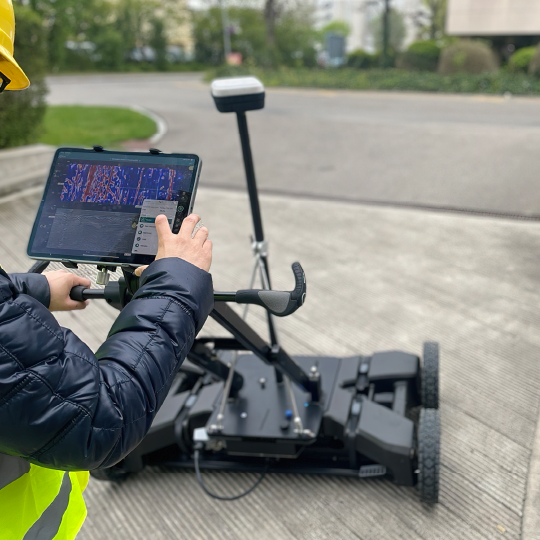
- Software, data export, and positioning capabilities
- Battery life and accessory compatibility
- Training, repair options, and parts availability
The right scanner should fit current projects, reduce workflow headaches, and remain dependable as scanning needs grow.
Why Professional GPR Repair and Support Matter
A scanner problem can come from hardware, software, accessories, or normal wear, and the source is not always obvious in the field. Professional GPR repair helps identify the underlying issue before parts are replaced or a working system is retired too early.
Qualified service also matters after the repair. Proper testing can confirm that the scanner is ready to return to field use, while access to compatible parts and technical support can reduce future downtime. Working with technicians familiar with the specific system also creates a clearer path from troubleshooting and maintenance to training or replacement when the unit reaches the end of its useful life.

Get Expert GPR Equipment Guidance From GPR USA
Deciding between another repair and a replacement can be difficult when a scanner still works but has started causing problems. GPR USA can evaluate the situation based on repair history, field performance, application needs, and the expected value of keeping the unit in service.
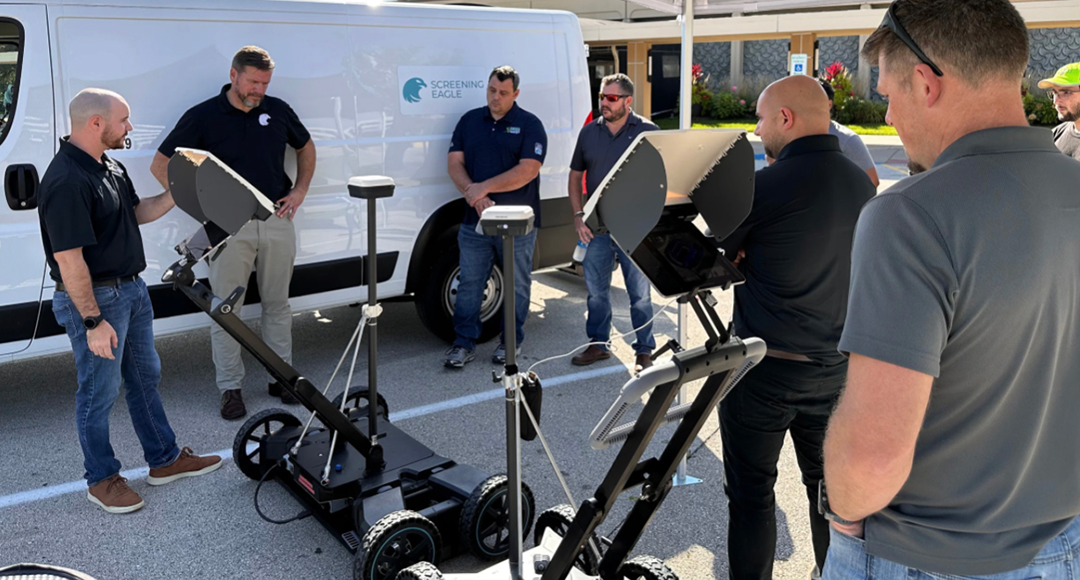
As an authorized Screening Eagle / Proceq distributor, GPR USA works across the equipment lifecycle, including product sales, certified GPR training, technical support, and repair services. That means contractors and engineering teams can take a practical three-step approach: assess the current scanner, compare repair and replacement options, then choose the path that fits upcoming fieldwork and long-term scanning needs.
Contact GPR USA for More Information
A dependable scanner keeps crews working with confidence and reduces the risk of unexpected downtime on active jobs. When repair costs start adding up, or performance becomes inconsistent, getting the unit evaluated can clarify the next step and prevent an equipment problem from interfering with upcoming work.
GPR USA works with contractors, engineering teams, and scanning professionals who need reliable repair services, jobsite-ready scanners, and hands-on training. The team can help determine if a current unit has useful service life remaining or if an upgrade better fits future projects.
Contact GPR USA for more information about repair, replacement, and equipment options.