How Accurate Is Ground Penetrating Radar?

July 21, 2026

Share this Article:

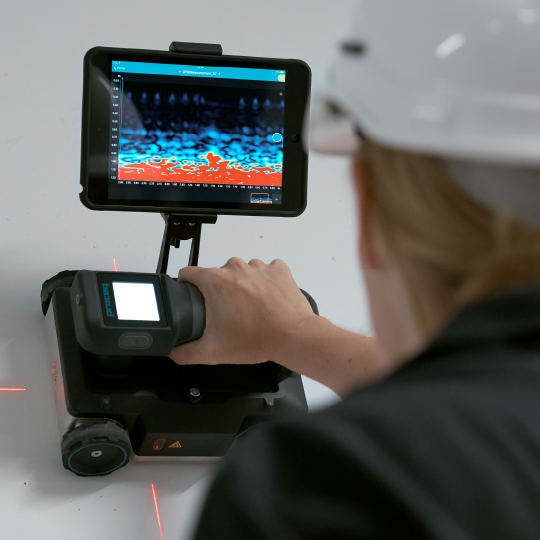
Ground penetrating radar (GPR) is highly accurate for locating many embedded objects in concrete and subsurface materials, but there is no single accuracy percentage that applies to every scan. The quality of the results depends on factors such as the material being scanned, target depth, scanner selection, and the experience of the person interpreting the data. That's why GPR accuracy is best measured by the confidence of the results, not one universal number.


Understanding what affects scan quality helps contractors, engineers, and inspectors choose the right equipment, interpret findings with confidence, and reduce the chances of costly hits before cutting, coring, or drilling.

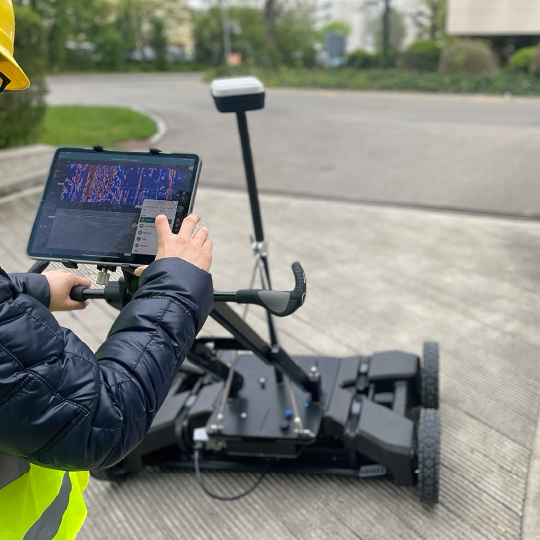
Person operating a robotic lawn mower with a tablet on a paved path outdoors

How Accurate Is GPR for Concrete Scanning?

Ground penetrating radar is highly accurate for locating rebar, post-tension cables, conduits, and other embedded objects in concrete when the right equipment is used by a trained operator. While there is no universal accuracy percentage, GPR routinely provides dependable location data that helps crews identify safer areas for cutting, coring, and drilling. That is why GPR accuracy is best measured by the confidence of the results, not one universal number.


For most projects, accuracy comes down to four key measurements:

Target detection:

Was the embedded object successfully detected during the scan?

Horizontal location:

Is the marked position accurate enough for cutting, coring, or drilling?

Depth estimate:

Does the reported depth closely match the object's actual depth?

Target identification:

Can the operator confidently identify rebar, conduit, or another embedded object?

The answers depend on the condition of the concrete, reinforcement density, scanner selection, and how the scan is performed and interpreted. Those same considerations also shape the decision between concrete scanning vs. X-ray, since each method has strengths that fit different project requirements.

What Factors Affect GPR Accuracy?

Several factors influence GPR results, but the biggest are the material being scanned, the depth of the target, the scanner being used, and the quality of the scan itself. These variables affect how radar signals travel through a material, how clearly embedded objects appear, and how confidently the data can be interpreted. Moisture in soil or newly placed concrete, dense clay, and other highly conductive materials can weaken radar signals, reducing penetration depth and making deeper targets harder to detect.


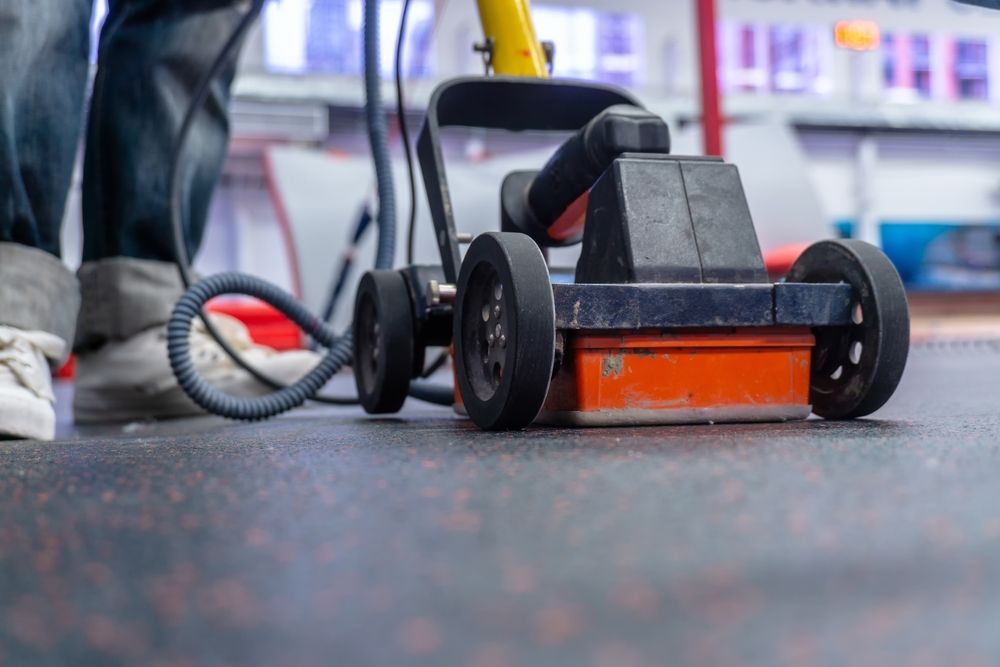
Equipment selection and field technique also play an important role. Different antenna frequencies balance depth and resolution for different applications, and consistent scan patterns, proper calibration, and careful data interpretation help produce more reliable results. Closely spaced reinforcement can also make it difficult to distinguish individual targets, especially when scanning beneath the first layer of steel. No single factor determines scan quality. Instead, these variables work together to shape what the scanner can detect and how confidently those findings can be used in the field.

What Can GPR Detect and What Can’t It?

Ground penetrating radar can reliably detect many embedded and subsurface objects, but it cannot identify every object or determine every detail about what it finds. Detection depends on the material being scanned, target size, depth, and surrounding conditions. Understanding what GPR can detect underground helps set realistic expectations before cutting, coring, drilling, or excavation begins.

GPR commonly detects:

  • Rebar and welded wire mesh
  • Post-tension cables
  • Metallic and many nonmetallic conduits
  • Voids, slab thickness, and construction layers
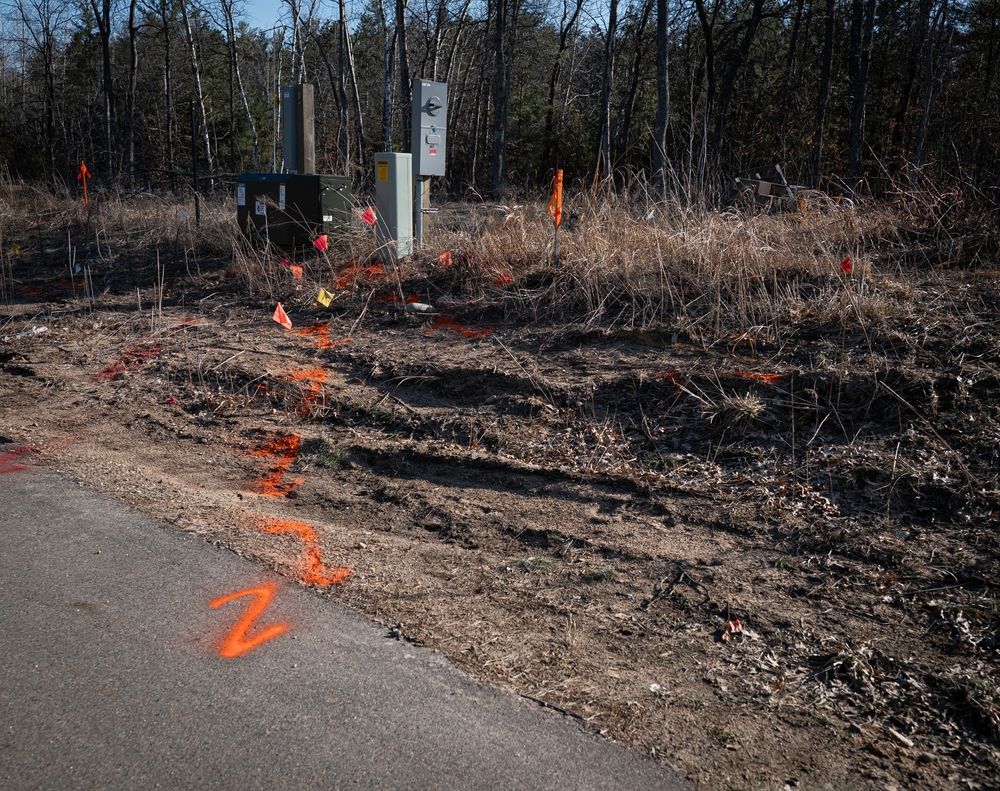
  • Underground utilities in favorable soil conditions

GPR cannot always determine:

  • The exact material of an embedded object
  • If a conduit or utility is active or abandoned
  • The precise diameter or size of a target
  • Every object beneath heavily reinforced concrete
  • That an area is completely clear to cut or drill

Understanding these capabilities and limitations helps crews interpret scan results with greater confidence. The next step is knowing how equipment selection and operator training influence those results in the field.

How Training and Equipment Improve Results

Training and equipment improve GPR results by increasing scan consistency, reducing interpretation errors, and helping operators collect more reliable data. Even advanced scanners depend on proper setup and experienced interpretation to produce dependable results. The right combination of technology and field knowledge gives crews greater confidence before cutting, coring, drilling, or excavation.

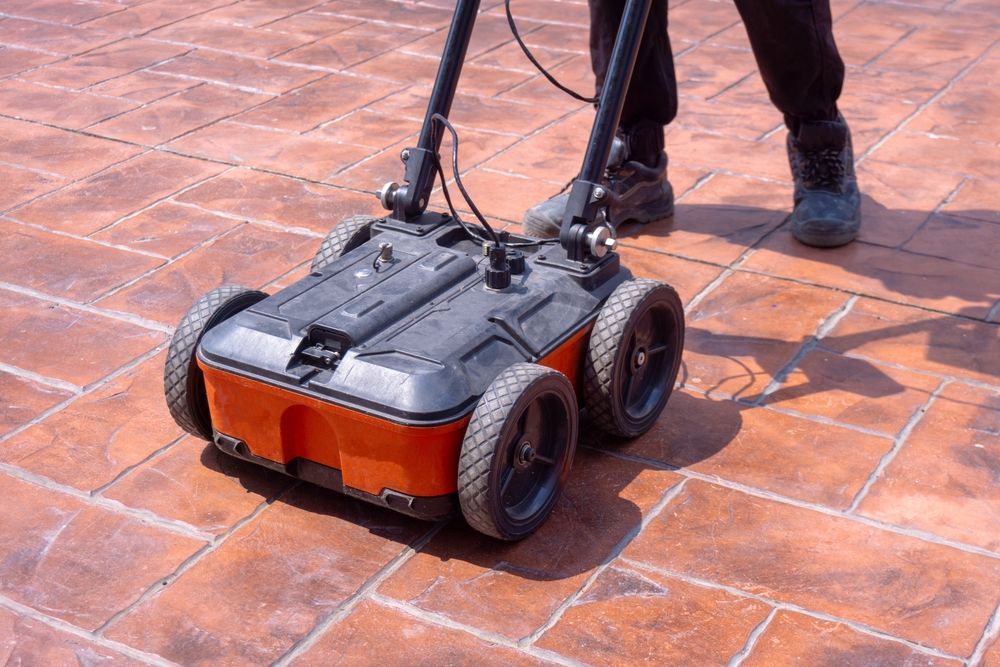
Using the right equipment. Selecting a scanner and antenna frequency that match the target depth, material, and application helps collect clearer, more useful data from the start.

Following consistent scanning methods. Proper scan patterns, depth calibration, and multiple passes create more complete, repeatable results across different job conditions.

Investing in hands-on GPR training. Learning to recognize target patterns, distinguish meaningful reflections from noise, and understand the limits of each scan helps operators interpret findings with greater confidence.

Together, these practices help crews produce more consistent results and make informed decisions before work begins.

Best Practices for Reliable Scanning

The best way to achieve reliable GPR results is to follow a consistent scanning process, use equipment suited to the application, and verify findings before work begins. While every project presents different conditions, these practices help produce more dependable data and reduce uncertainty before cutting, coring, drilling, or excavation.


For the most consistent scans:

  • Review available drawings before arriving on site, but confirm existing conditions with a scan.
  • Select the right scanner for the material, target depth, and level of detail needed.
  • Scan in multiple directions to reduce the chance of missing linear targets that run parallel to the antenna.
  • Calibrate depth readings whenever a known reference is available.
  • Mark and document findings clearly so crews can identify potential hazards.
  • Rescan questionable areas instead of relying on a single pass when data appears unclear.


Following the same process from one project to the next helps crews build confidence in the results and make informed decisions before work begins.

Get Expert GPR Support

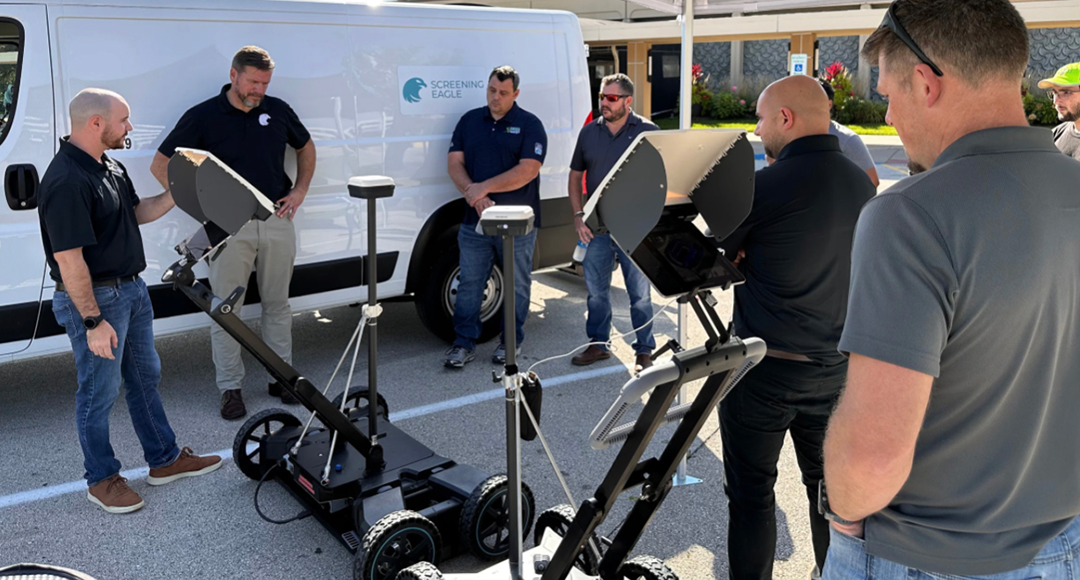
People gathered around exercise equipment outdoors, discussing a workout setup in a parking lot.

Understanding what affects scan quality is only part of the process. Choosing the right equipment, learning proven scanning techniques, and keeping scanners ready for the field all contribute to more consistent results over time. That's where GPR USA helps contractors, engineers, consultants, and government teams get more from their investment through quality equipment, hands-on training, and dependable repair services. The goal is simple: help crews work with greater confidence and reduce the risk of costly hits before cutting, coring, drilling, or excavation.


If you're looking for guidance on selecting the right scanner, expanding your skills, or keeping your equipment jobsite ready,
contact GPR USA for more information.

Share with Us!

Person using a black and orange floor-cleaning machine on a tiled surface
June 15, 2026
Compare ultrasonics vs GPR for concrete assessment. Learn when each method excels with insights from GPR USA experts.
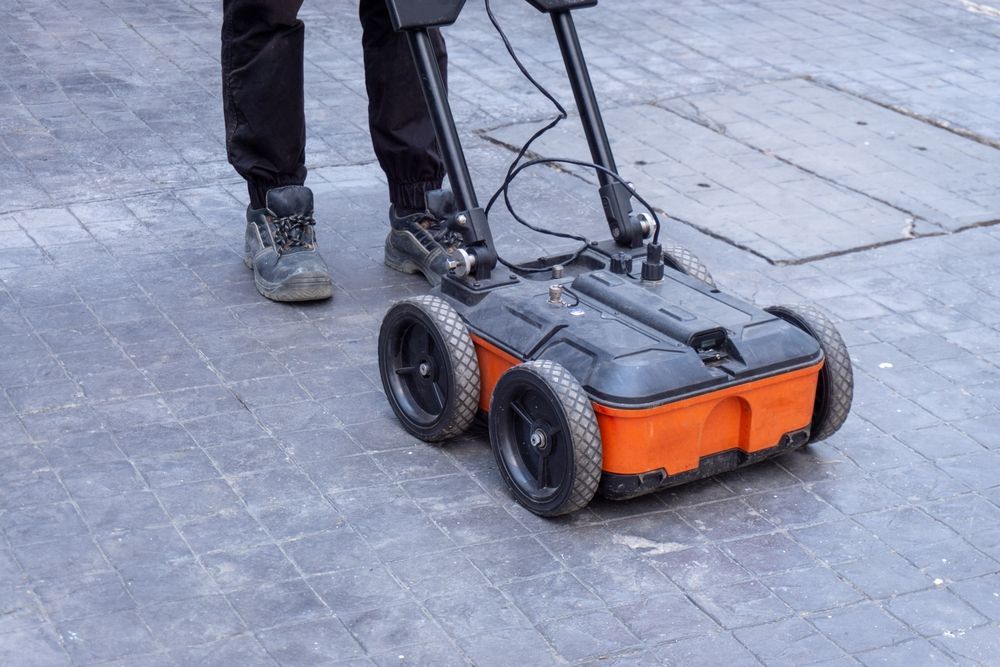
Orange-and-black ground robot on cobblestone pavement beside a person’s legs and shoes
May 15, 2026
Compare handheld vs cart GPR systems with GPR USA and find the right setup for concrete scanning and utility mapping.
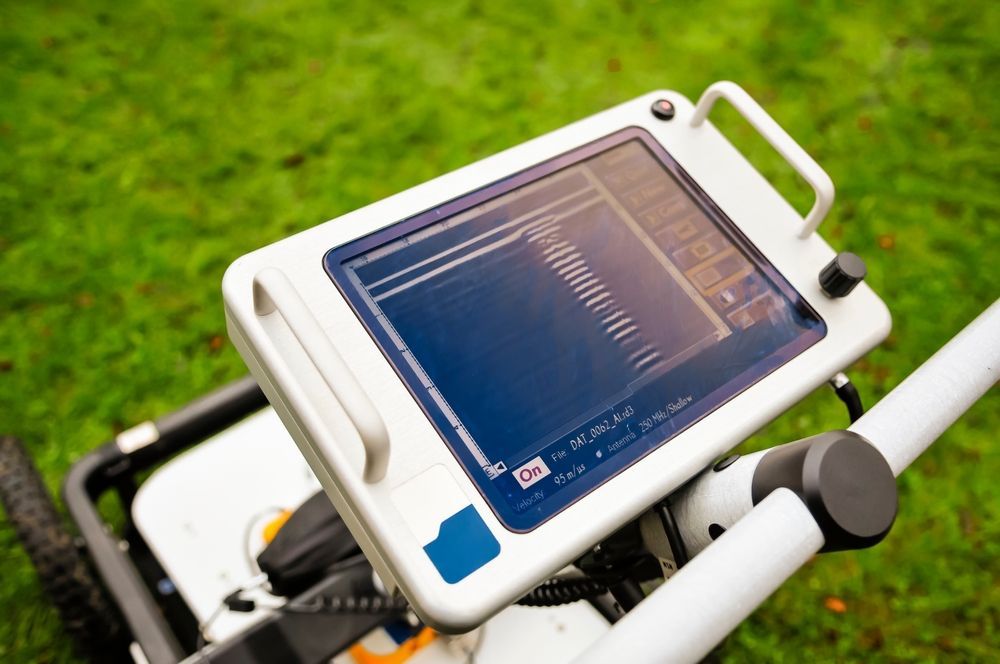
A close-up view of a ground-penetrating radar display screen mounted on a cart, set against a green grass background.
March 12, 2026
Explore the top industries for GPR scanning, from construction to infrastructure inspections. Learn how GPR USA helps teams detect hidden subsurface risks.
Group of men with surveying equipment near a white van, outdoors.
February 26, 2026
Build real GPR training confidence with hands-on instruction and support from GPR USA. Strengthen field performance today.
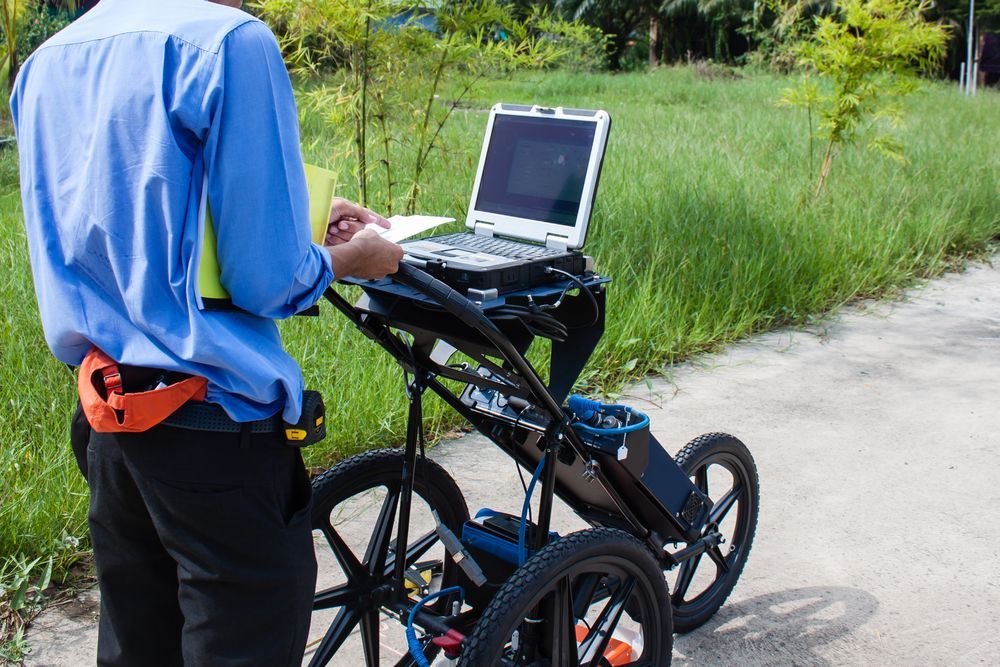
Man using ground-penetrating radar on a cart outdoors. He's wearing blue and black, with a laptop open.
February 18, 2026
Explore concrete x-ray differences with GPR USA and learn how scanning methods affect safety, accuracy, and jobsite efficiency.
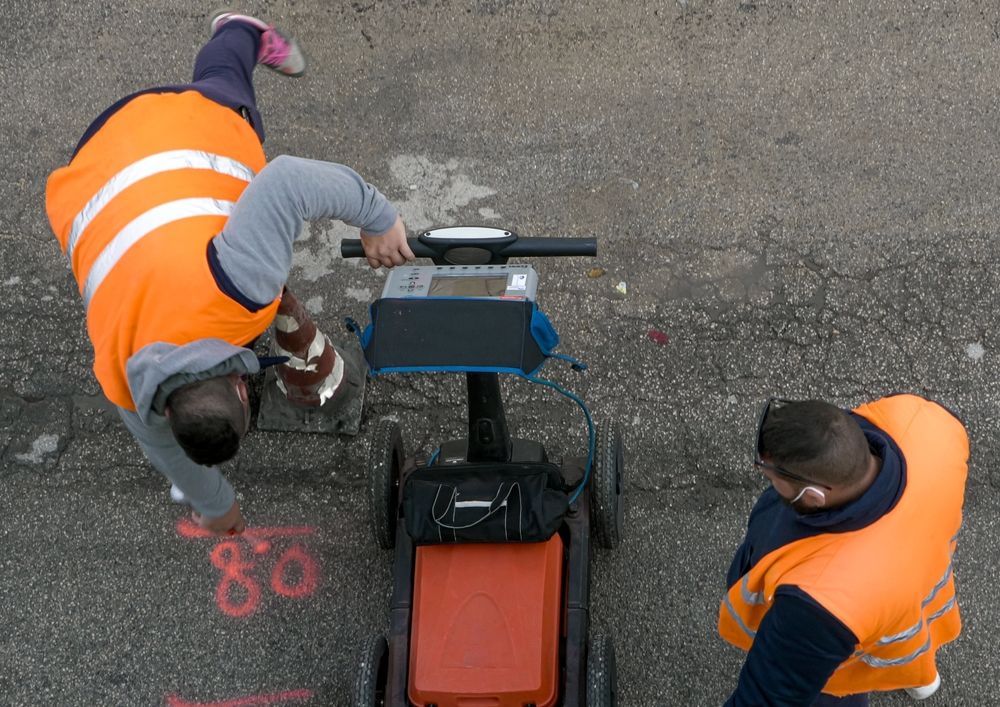
Two people in orange vests using ground-penetrating radar on asphalt, marking the ground.
January 9, 2026
Should you buy GPR, rent GPR, or hire help for utility locating? Compare GPR for utility locating with GPR USA.
Tablet displaying underground utility map with a GPR cart.
January 8, 2026
Learn the top uses of GPR construction scanning to improve safety, avoid hits, and plan accurately with experts at GPR USA.
A cart-like device on a paved road, possibly for ground surveying; it has a computer, sensors, and is surrounded by cars.
November 18, 2025
GPR USA explains how accurate subsurface mapping with GPR is, helping crews understand depth, precision, and factors that influence reliable underground data.
Person operating ground-penetrating radar on an asphalt road, device on wheels, red markings.
November 17, 2025
GPR USA explains what GPR can find, helping crews identify underground materials, utilities, and features for safer, more accurate field decisions.
3D rendering of a surface scan with a grid pattern. Color gradients indicate variations, with red representing highs and blue representing lows.
By GPR USA September 15, 2025
Learn what underground utility mapping is, how GPR detects buried utilities, and why accurate mapping prevents strikes, delays, and safety risks.
Show More