What Does GPR Certification Training Actually Involve?
GPR Training Is About More Than Learning the Controls
Learning the controls of a ground-penetrating radar system is only the starting point. The harder part is knowing what the data means when signals are unclear or site conditions change.
Good GPR training builds skills in data collection, interpretation, field procedures, and communication. Operators learn how to turn scan results into sound field decisions, from identifying embedded objects and utilities to establishing safe zones and avoiding hits when cutting or drilling.
What Is Included in GPR Certification Training?
GPR certification training covers the full process of completing a scan, from understanding radar fundamentals to communicating findings after the survey. A well-rounded course typically covers:
- Radar principles and equipment setup
- Hands-on scanning and field survey methods
- Signal interpretation and data processing
- Concrete scanning and utility locating applications
- Marking, documenting, and reporting findings
Each skill connects to the next. Operators need to collect clean data before they can interpret it accurately, and they need to communicate those findings clearly before a crew cuts, drills, cores, or excavates. Training brings those steps together into a repeatable field process. Depending on the course, the process may also include certification testing that evaluates what an operator has learned.

Learning the Fundamentals of Ground Penetrating Radar
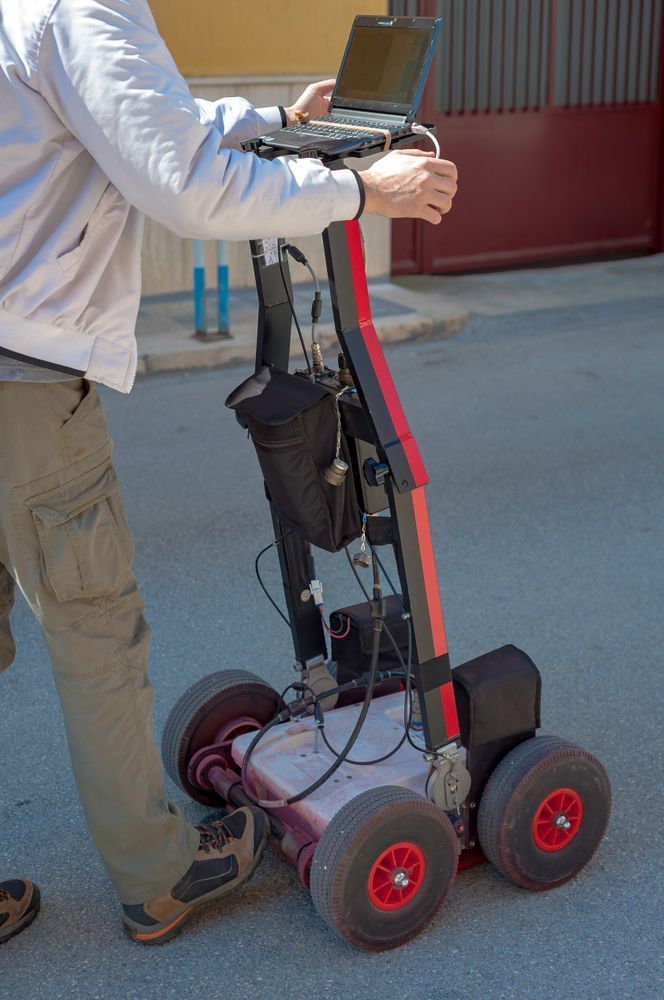
Before interpreting a scan, operators need to understand what creates the data on the screen. Training covers how ground-penetrating radar (GPR) sends electromagnetic signals into a material and records reflections from changes below the surface.
Operators also learn how depth, moisture, material properties, antenna frequency, and target characteristics can affect a response or limit what the scanner can detect. These fundamentals help explain why the same target may look different from one job to another. Instead of relying on a familiar screen pattern alone, operators can evaluate the conditions behind the signal and recognize when additional scanning or another locating method may be appropriate.
Hands-On GPR Equipment Operation and Field Surveys
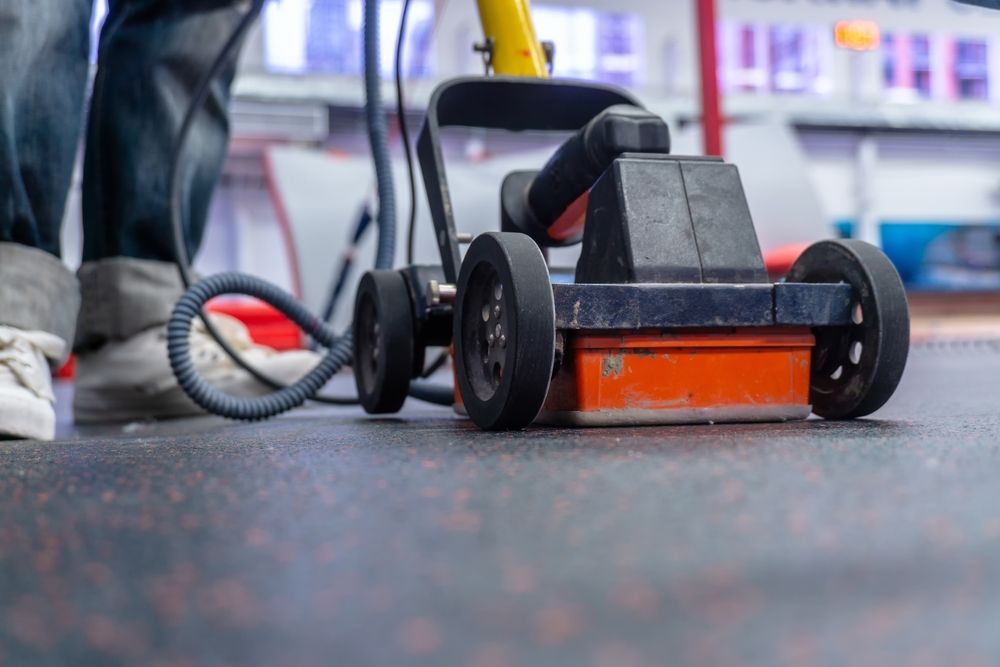
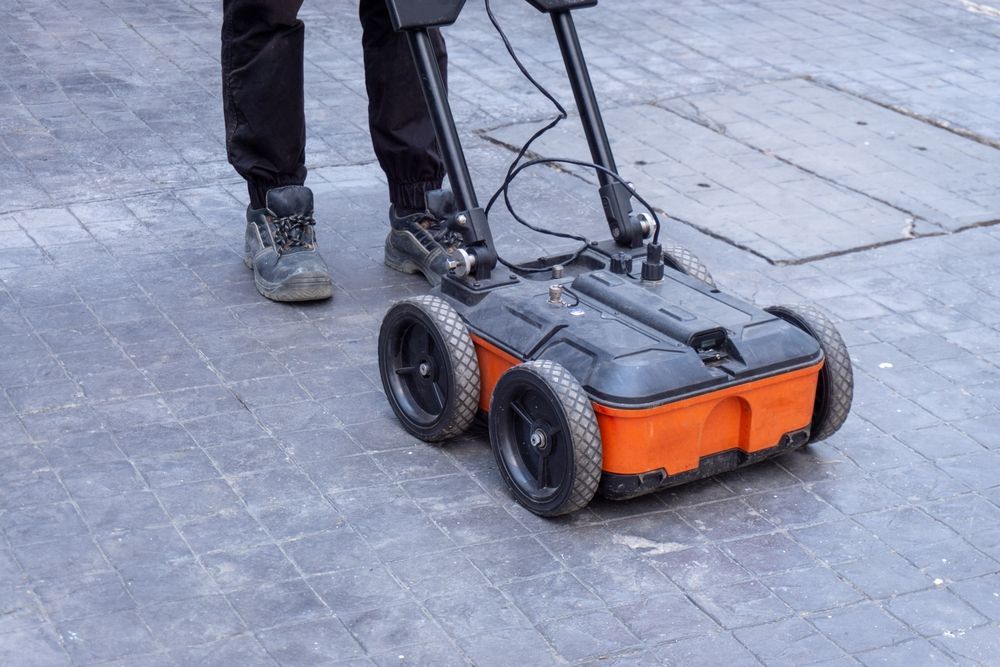
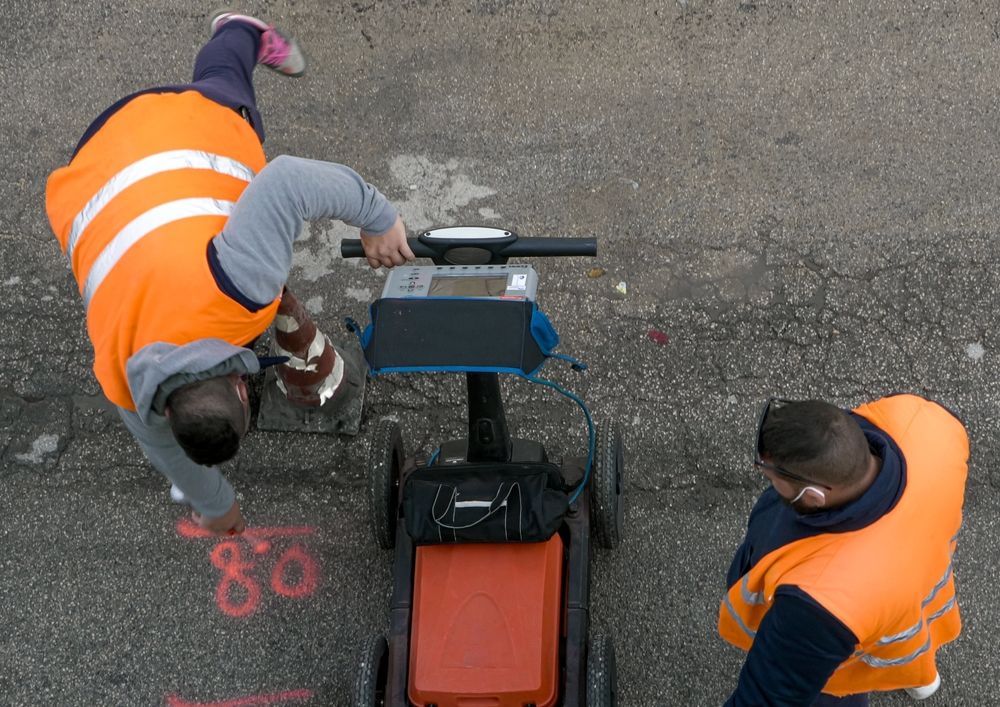
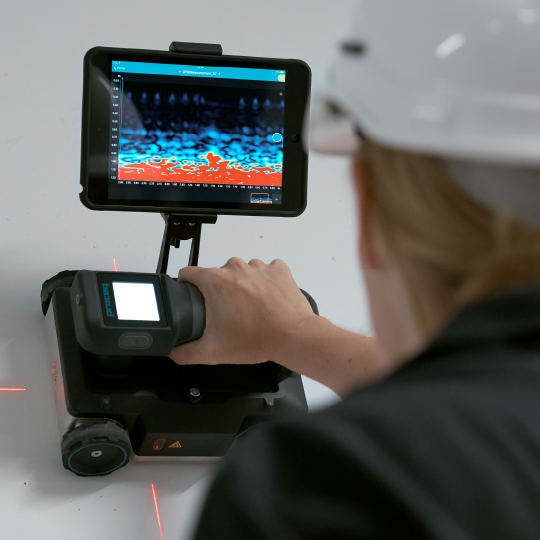
Classroom concepts become more useful once operators start working with the equipment. Hands-on instruction builds consistent habits for collecting clean, usable data in realistic scanning conditions. That can include:
- Setting up the scanner for the survey area
- Selecting appropriate scan settings and patterns
- Moving the antenna consistently across the surface
- Scanning targets from multiple directions
- Adjusting the survey when conditions change
Field practice also shows how small choices during data collection can affect the results. Developing consistent scanning habits gives operators a stronger foundation for interpreting targets and making informed decisions later in the survey.
Signal Interpretation and GPR Data Processing
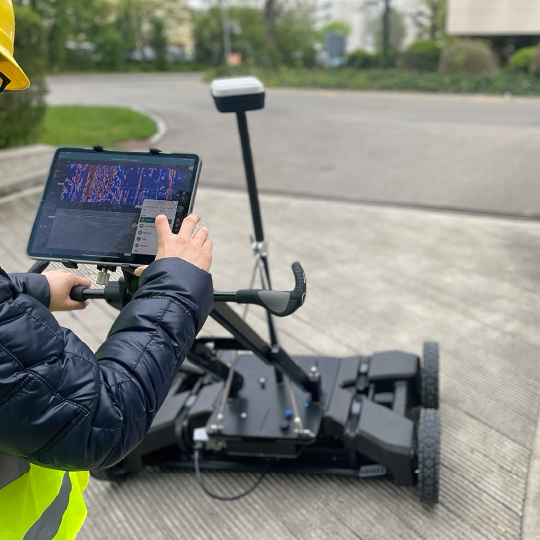
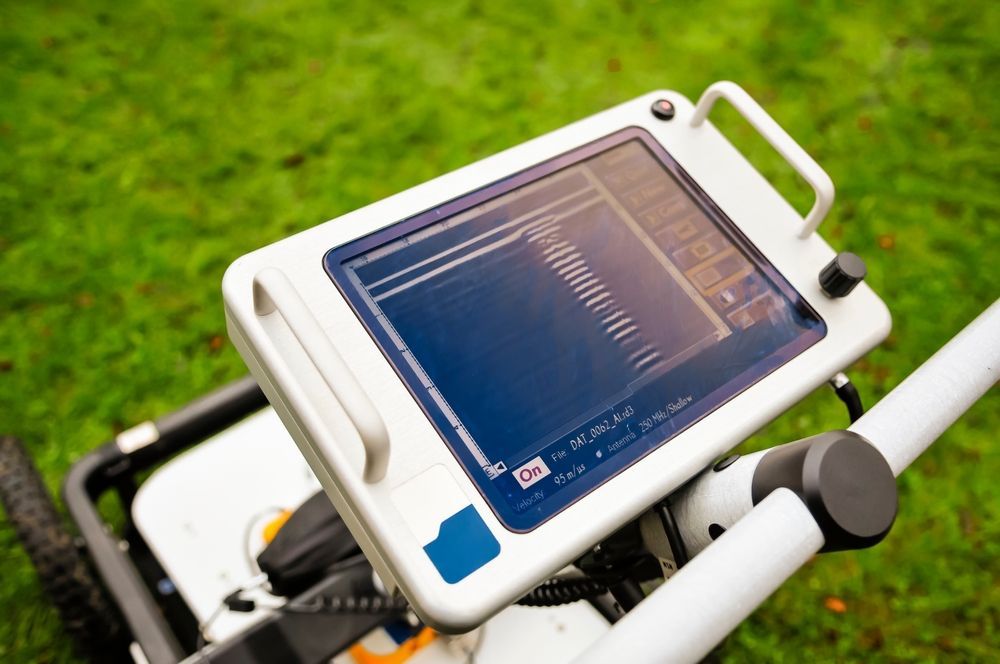
Collecting data is only useful if an operator can interpret what appears on the screen. Training covers common radar responses, target patterns, depth estimates, and signs of interference or signal loss. Operators also learn how scan direction and site conditions can change the appearance of a target.
Data processing adds another layer by helping operators review and organize survey results. The goal is to recognize meaningful reflections without treating every response as a confirmed object. When a signal is unclear, trained operators can scan from another direction, compare nearby responses, and decide when more investigation is needed before marking a target.
Applying GPR Training to Concrete Scanning and Utility Locating
The same radar fundamentals can be applied to different jobs, but field conditions and targets change how operators approach each survey.
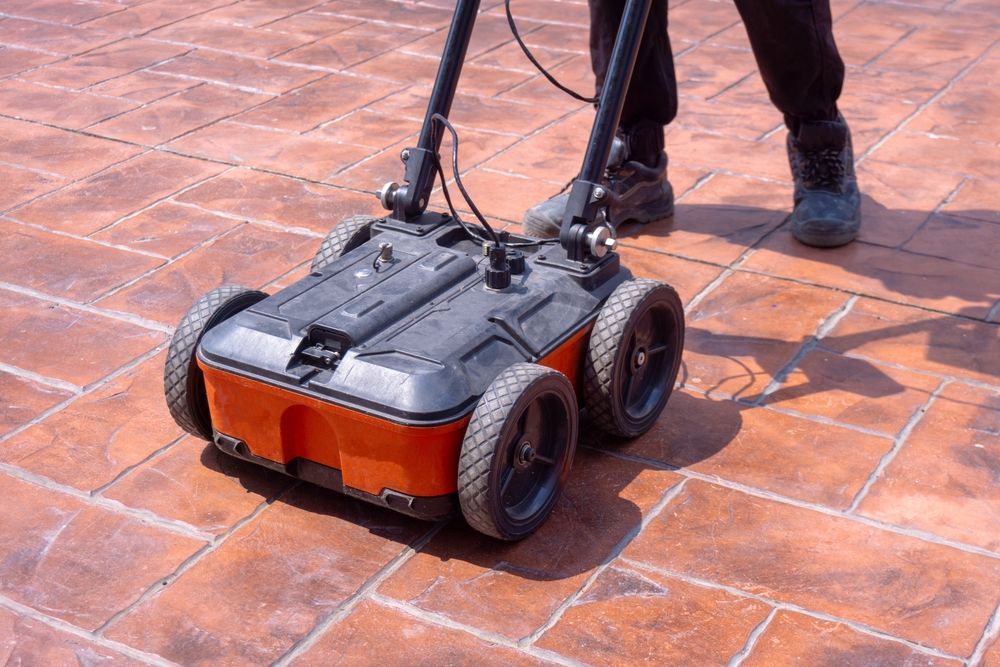
Concrete scanning:
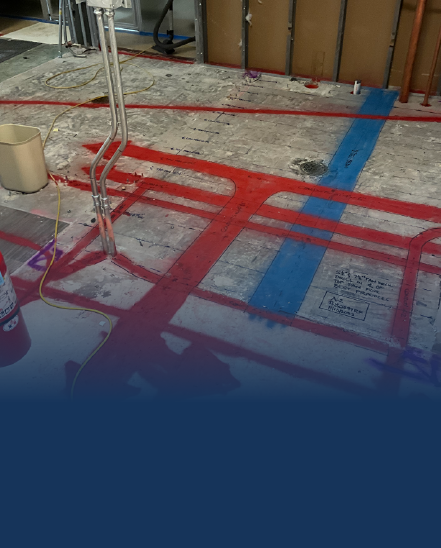
Operators may locate rebar, post-tension cables, conduit, and other embedded objects before cutting, coring, or drilling. Accurate marking can reduce the risk of costly hits.
Utility locating:
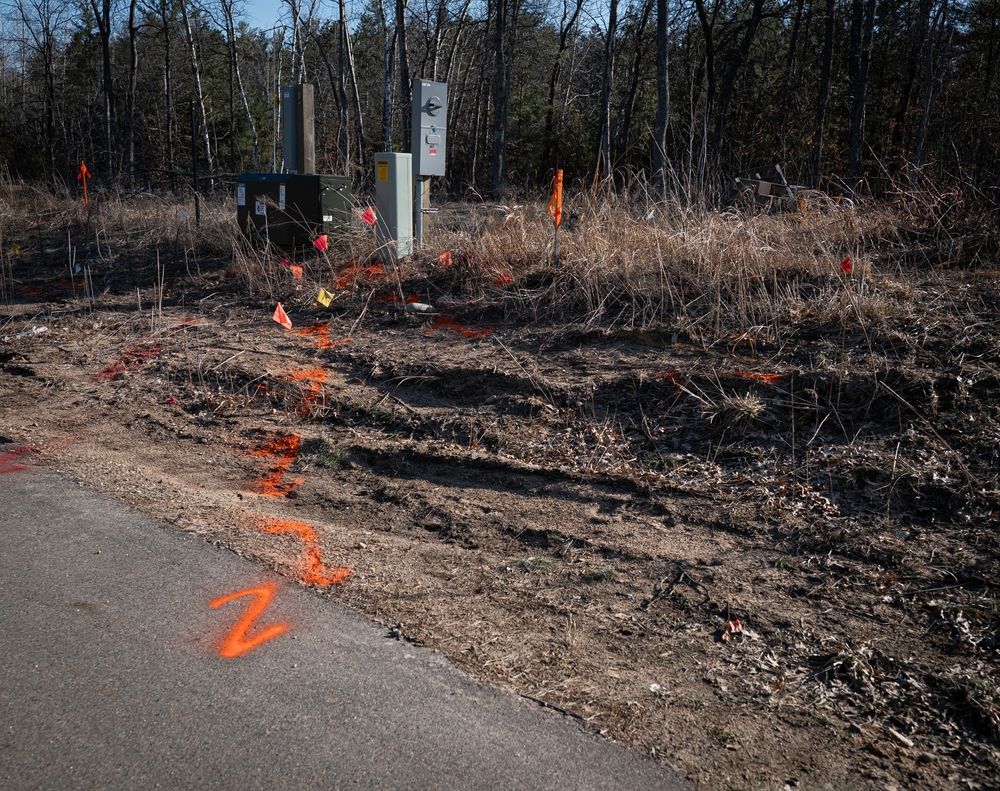
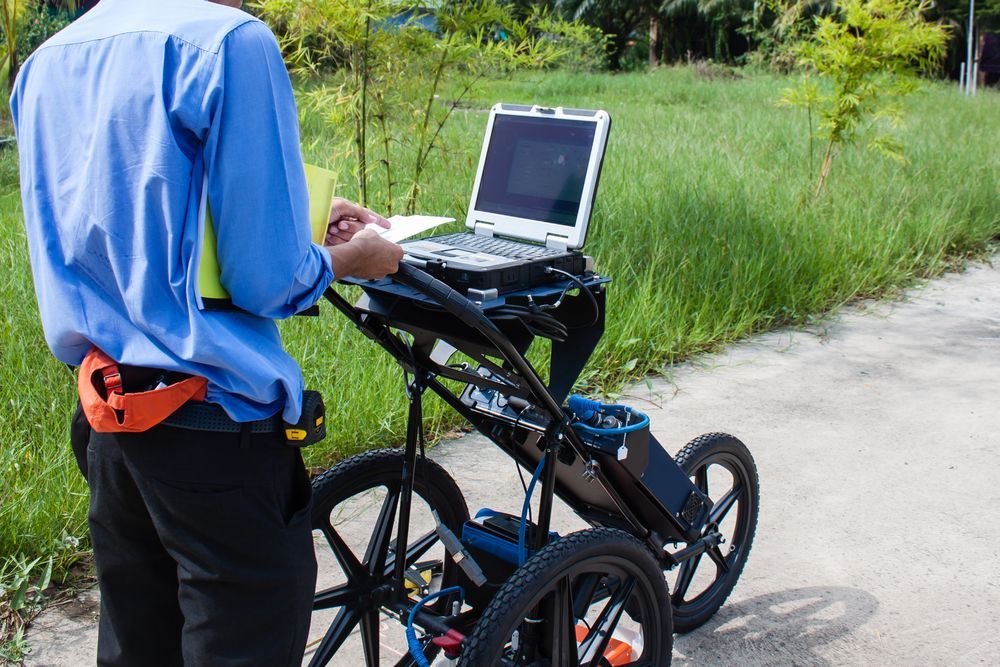
Operators apply scanning techniques to
underground mapping, where soil conditions, target depth, and utility materials can affect the response.
Training teaches operators to adapt their survey methods to the application instead of assuming every scan should look or behave the same way.
Reporting and Communicating GPR Findings
A scan is only as useful as the information communicated afterward. Training covers how to document target locations, estimated depths, scanned areas, and relevant limitations so other people on the job understand what was found.
Clear markings and reports also reduce confusion between the scanner operator and the crew doing the cutting, drilling, or excavation. Operators learn to explain findings without overstating what the data shows, especially when a signal is uncertain. That communication helps engineers, contractors, and field crews plan the next step based on the scan results and understand when further investigation may be needed.
What Does GPR Training Look Like in Practice?
Effective training moves from instruction to hands-on practice and then to applied decision-making. A typical progression looks like this:
1. Learn the principles:
Understand radar behavior, equipment settings, and common target responses.
2. Practice scanning:
Collect data, adjust survey methods, interpret signals, and mark identified targets.
3. Apply the process:
Work through realistic scenarios that call for judgment, clear documentation, and communication.
This progression connects classroom concepts with situations operators may encounter in the field. Repeated practice also helps technicians develop consistent habits they can carry into concrete scanning, utility locating, and other subsurface imaging work.
Why Train With GPR USA?

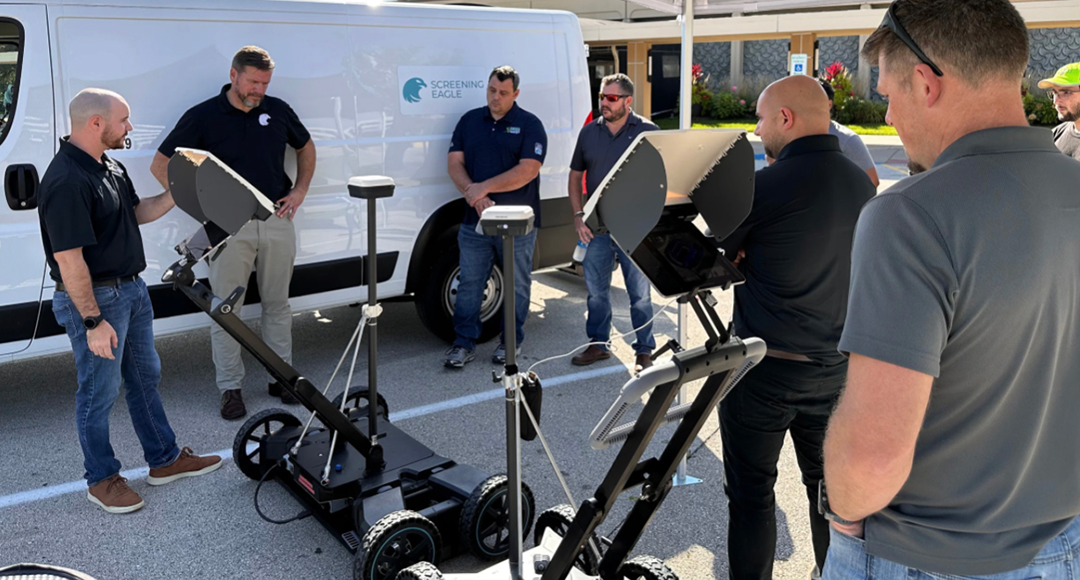
GPR USA focuses training on skills operators can carry directly into the field. Courses are led by industry professionals with hands-on experience and cover equipment operation, data interpretation, field surveys, and reporting. Training also includes experience with Screening Eagle / Proceq scanning technology.
The relationship can continue after the course ends. GPR USA combines training with responsive customer support, equipment sales, and repair services, giving scanning teams a resource as their needs change. For contractors, engineers, and other professionals, that means access to practical instruction backed by a company focused specifically on concrete and geophysical scanning.

Turn GPR Knowledge Into Better Field Decisions
Strong scanning skills come from knowing how to collect reliable data, interpret uncertain signals, and communicate findings clearly. That preparation can help crews identify potential hazards, establish safe zones, and reduce the risk of hits before cutting, drilling, or excavating.
Training also creates a practical approach operators can apply across different sites and scanning conditions. If your team is ready to build practical scanning skills and get more from its equipment, talk to GPR USA about available training options.
Contact us for more information and find the right training path for your team.