How GPR Training Boosts Field Confidence

February 26, 2026

Share this Article:

Every experienced scanner operator has felt it. The moment before cutting or coring, when the slab looks clear but something in the back of your mind says to double-check. The screen shows data, lines, and reflections, yet doubt lingers. Too often, that hesitation comes down to gaps in practical training rather than the tool itself.


When instruction is thorough and field-focused, confidence replaces second-guessing, and decisions become steady, grounded in a real understanding of
subsurface mapping instead of hopeful assumptions about what lies below the surface. That shift affects how crews communicate, how markings are placed, and how work moves forward under real job-site pressure.

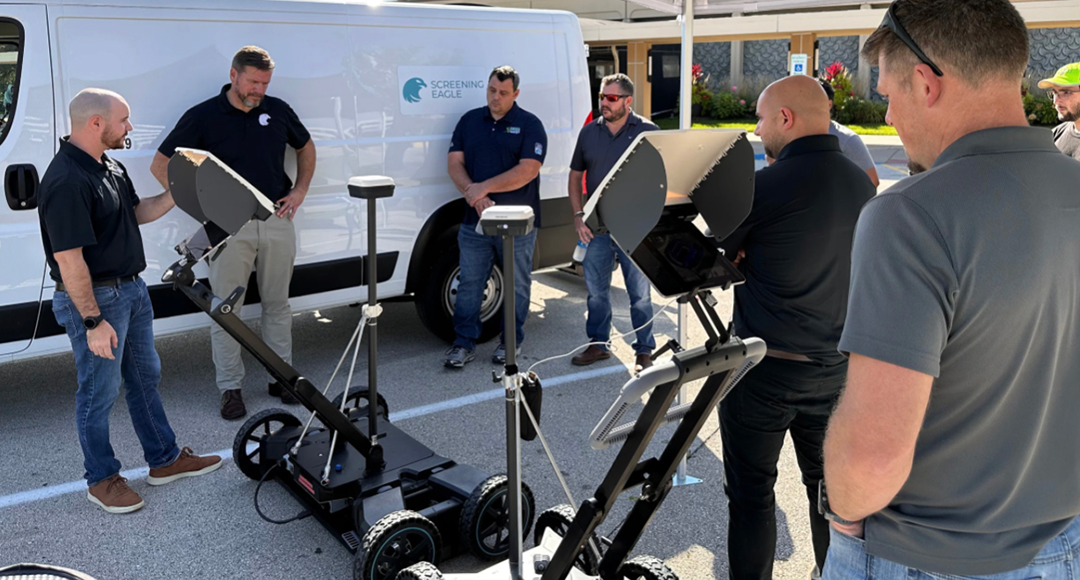
Men gathered around two machines with reflectors, in front of a van.

Turning GPR Knowledge Into Field Skill

Contractors and engineers rely on ground penetrating radar to make informed decisions before cutting, coring, or drilling. They want clear markings, safe zones, and steady progress. What often stands in the way is uncertainty in reading the scan data accurately under field conditions.


Classroom instruction alone rarely builds true field readiness. Crews need to understand how signal frequency, depth settings, and antenna movement affect subsurface imaging in real concrete conditions. Slab thickness, moisture, congestion, and reinforcement patterns all influence what appears on the display.


Structured, hands-on learning creates real
GPR training confidence. It connects theory to practice and helps operators recognize patterns instead of guessing. With repetition and realistic scenarios, scanning becomes a controlled process that feels deliberate and repeatable in live environments. Over time, that consistency builds trust within the crew and strengthens communication between scanning teams and project managers on site.

Reading Subsurface Imaging with Confidence

Interpreting subsurface imaging is where many operators hesitate. A screen filled with hyperbolas, shadows, and signal variations can feel unclear without proper context. The risk extends beyond simple misinterpretation of data, leading to decisions based on partial understanding and markings that fail to accurately represent what is embedded in the slab.


Strong GPR confidence develops when operators learn how to read patterns consistently across different environments. They see how rebar grids differ from conduits, how post-tension cables present unique signatures, and how depth estimations shift based on material conditions. That repetition sharpens judgment and builds steadiness.


Instead of reacting to every signal as a potential hazard, trained crews evaluate reflections through a clear process. They confirm findings with grid scans, adjust settings when needed, and communicate clearly with the cutting team. That clarity leads to safer decisions and fewer surprises once work begins, especially on complex slabs where congestion and layered reinforcement can easily confuse less experienced operators.

Avoiding Hits Through Proper GPR Training

For contractors and engineers, one of the biggest concerns on any jobsite is the risk of a hit. Striking post-tension cables, electrical conduit, or plumbing lines during cutting or drilling can shut down work, damage equipment, and put crews at risk. The cost shows up in delays, repairs, and strained client relationships.


Ground penetrating radar plays a direct role in preventing those incidents, but only when operators understand how to scan methodically and verify findings. Proper training teaches crews how to establish grid patterns, cross-check anomalies, and confirm depth before marking safe zones. It reinforces the discipline of locating before you drill and strengthens
underground mapping practices that keep crews out of trouble.


As real
GPR training confidence grows, hesitation decreases, and decision-making becomes more deliberate. Crews approach each scan with a repeatable process, reducing guesswork and lowering the chances of unexpected contact beneath the surface. That consistency strengthens jobsite safety, protects project timelines, and builds trust with clients who expect precision and careful planning.

Hands-On Practice with Real GPR Scanners

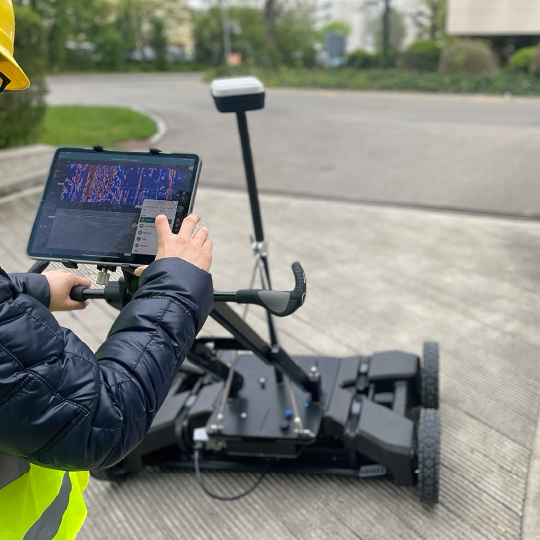
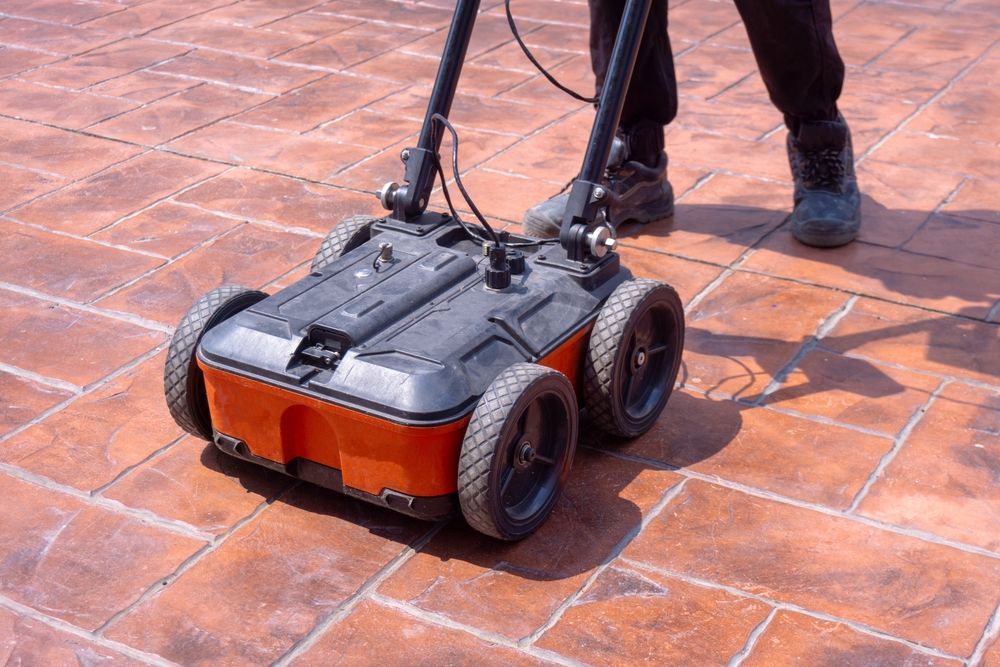
Confidence grows faster when training happens on actual job-site-ready scanners instead of slides or simulations. Working directly with ground penetrating radar units from Screening Eagle / Proceq helps crews understand how controls, settings, and antenna movement affect real subsurface imaging results in concrete.


During hands-on sessions, operators practice:

  • Setting up grid layouts for accurate concrete scanning
  • Adjusting gain and depth settings based on slab conditions
  • Identifying rebar, conduit, and post-tension cables in live scans
  • Verifying targets through multiple passes before marking
  • Documenting findings clearly for project records
  • Interpreting depth data to confirm clearance before cutting or coring

This repetition builds familiarity under realistic conditions. Crews learn how equipment responds on different surfaces, how signal clarity shifts with moisture or congestion, and how to stay steady under schedule pressure. They also build communication habits, coordinating markings with cutting teams and project managers so everyone understands where safe zones are established. That experience carries directly into the field, where confident scanner movement and clear markings keep projects moving safely and efficiently.

Boosting Confidence in Concrete Scanning

Concrete scanning carries real responsibility. Engineers and contractors are expected to identify embedded risks accurately and communicate findings clearly before any cutting begins. When confidence is low, markings become overly cautious, timelines stretch, and crews hesitate at key decision points.


Targeted instruction changes that pattern. Through structured GPR training, operators gain a deeper understanding of how concrete composition, slab thickness, and reinforcement density affect signal response. They learn how to adjust scanning speed, confirm anomalies, and interpret depth with greater precision.


As competence grows, so does trust within the team. Field leads rely on scan results without constant rechecking. Cutting crews move forward with clearer direction. Project managers see fewer delays tied to uncertainty. That steady rhythm on site reflects genuine confidence built through repetition, real-world scenarios, and consistent feedback from experienced instructors.

Ongoing Support That Strengthens Field Work

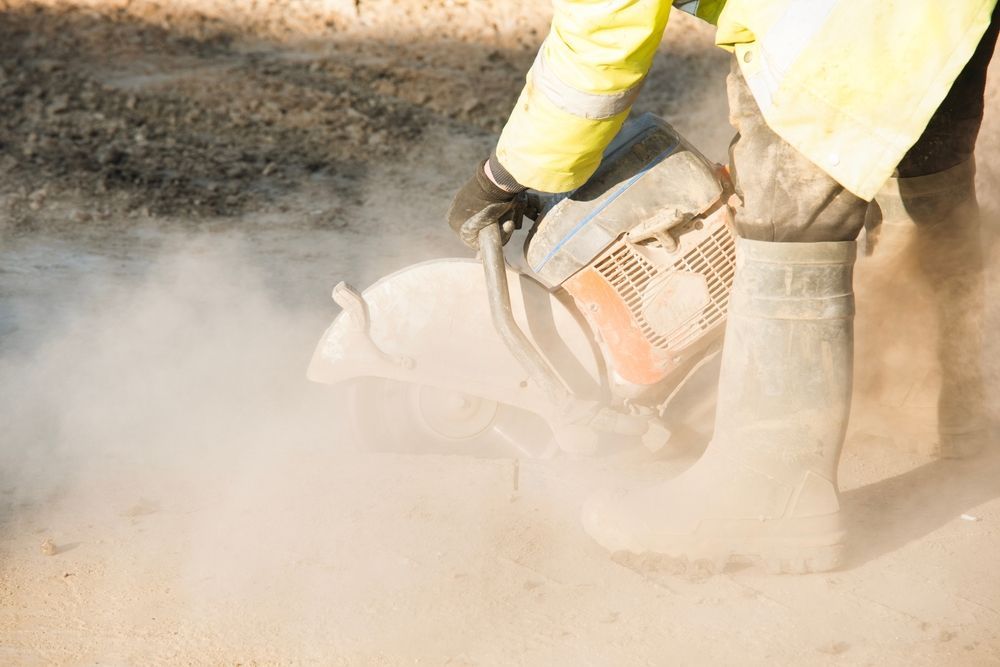
Person in safety gear using a concrete saw, creating a cloud of dust.

Confidence in the field does not stop once training wraps up. Crews encounter unique slab conditions, unfamiliar layouts, and new project variables over time. Having access to experienced professionals who understand ground penetrating radar keeps that confidence steady long after the class ends.


At
GPR USA, training is backed by responsive technical support and concrete scanner repair services that keep equipment job-site-ready. As an authorized distributor of Screening Eagle / Proceq, the team works closely with the tools contractors rely on every day. When questions come up about subsurface imaging, settings, or data interpretation, knowledgeable guidance is available from professionals who have worked in similar conditions.


That continued connection reinforces GPR training confidence in real-world environments. Crews stay sharp, projects move forward with fewer surprises, and decision-making remains grounded in clear data. For teams looking to strengthen field performance and long-term scanning reliability,
contact GPR USA for more information.

Share with Us!

Man using ground-penetrating radar on a cart outdoors. He's wearing blue and black, with a laptop open.
February 18, 2026
Explore concrete x-ray differences with GPR USA and learn how scanning methods affect safety, accuracy, and jobsite efficiency.
Two people in orange vests using ground-penetrating radar on asphalt, marking the ground.
January 9, 2026
Should you buy GPR, rent GPR, or hire help for utility locating? Compare GPR for utility locating with GPR USA.
Tablet displaying underground utility map with a GPR cart.
January 8, 2026
Learn the top uses of GPR construction scanning to improve safety, avoid hits, and plan accurately with experts at GPR USA.
A cart-like device on a paved road, possibly for ground surveying; it has a computer, sensors, and is surrounded by cars.
November 18, 2025
GPR USA explains how accurate subsurface mapping with GPR is, helping crews understand depth, precision, and factors that influence reliable underground data.
Person operating ground-penetrating radar on an asphalt road, device on wheels, red markings.
November 17, 2025
GPR USA explains what GPR can find, helping crews identify underground materials, utilities, and features for safer, more accurate field decisions.
3D rendering of a surface scan with a grid pattern. Color gradients indicate variations, with red representing highs and blue representing lows.
By GPR USA September 15, 2025
Learn what underground utility mapping is, how GPR detects buried utilities, and why accurate mapping prevents strikes, delays, and safety risks.
Construction worker using device on wall, viewing display on tablet.
By GPR USA September 12, 2025
Explore Ground Penetrating Radar (GPR) costs, factors that impact pricing, and how investing in your own system can save time, money, and delays.
Blue and white spectrogram of sound waves, showing frequency and amplitude over time, with horizontal and vertical lines.
By GPR USA September 10, 2025
Discover how deep Ground Penetrating Radar (GPR) scans in concrete, soil, and geological surveys, plus the factors that affect penetration depth.
Construction worker using a suction tool on a concrete surface outdoors, wearing safety gear.
By GPR USA September 8, 2025
Learn how Ground Penetrating Radar (GPR) works, its applications in concrete scanning, utility locating, and geotechnical work, plus the benefits of owning GPR.