Top Industries That Rely on GPR Scanning
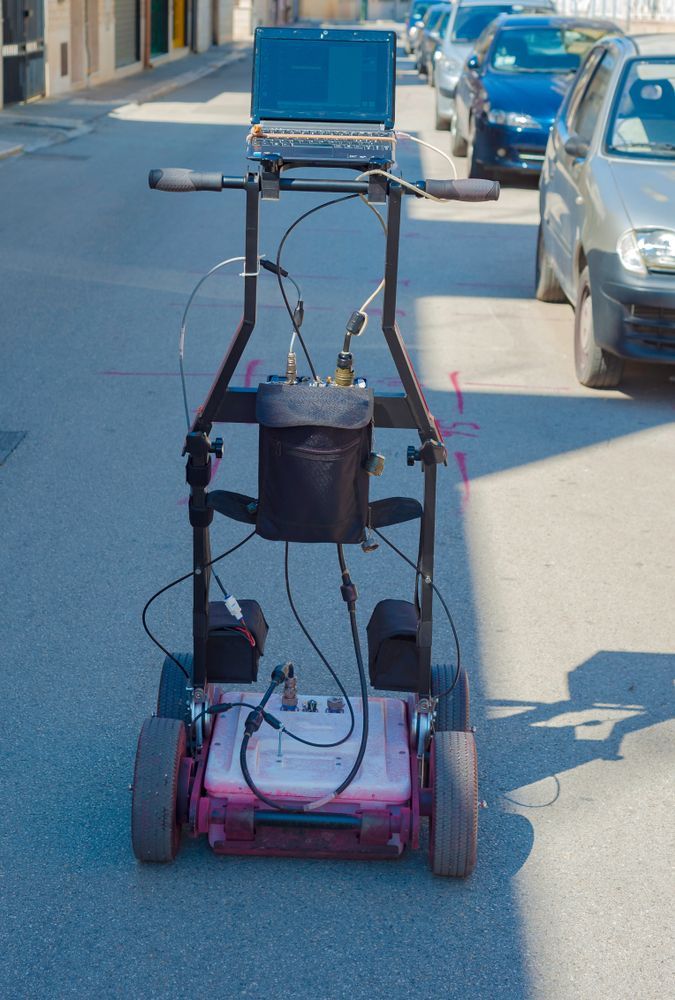
Construction crews, engineers, and inspectors rarely get to see what sits beneath the surface before work begins. Concrete slabs and soil layers often hide rebar, conduits, post-tension cables, and buried utilities left behind from earlier phases of a project. The schedule keeps moving, though, and drilling or cutting still has to happen. Ground penetrating radar has become a dependable way to see those hidden elements first, helping teams in key industries for GPR move forward with fewer surprises and a lower chance of a costly hit.

Commercial Construction Scanning Needs
Commercial construction sites move quickly, and multiple trades often work in the same slab or structural area. Electricians, plumbers, and concrete crews may all need to drill, cut, or core through reinforced concrete during different phases of a project. Without reliable subsurface imaging, hidden rebar, conduit, or post-tension cables can quickly turn routine work into an expensive mistake across many industries for GPR.
This is why
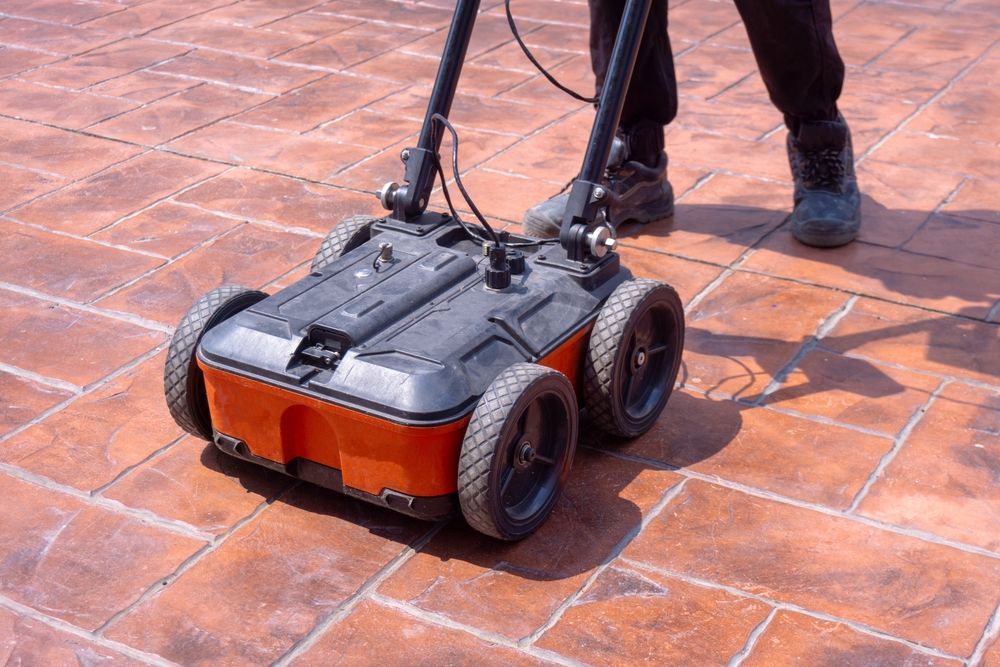
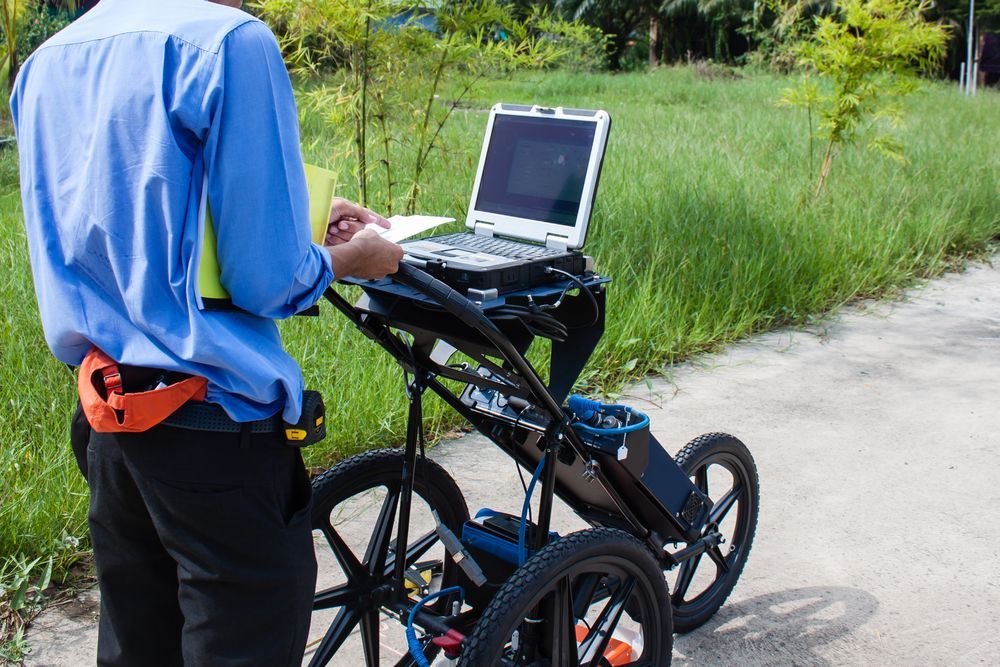
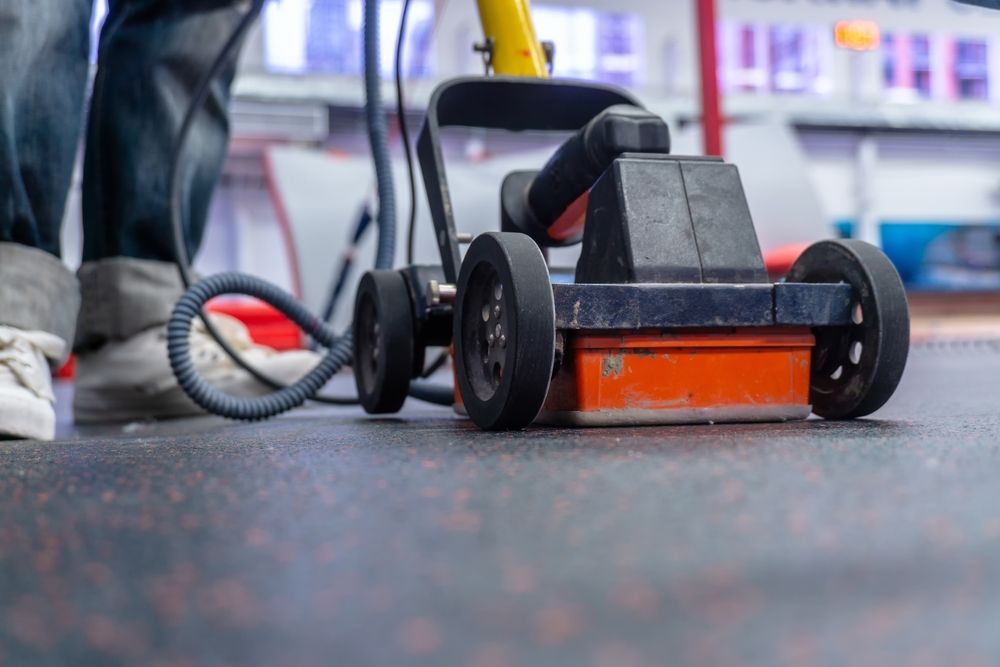
GPR in construction projects has become standard practice before cutting or drilling begins. Contractors use ground-penetrating radar to scan slabs and walls so crews can mark safe zones and move forward with more confidence. Seeing embedded materials below the surface helps reduce damage, delays, and repair costs while keeping the job on schedule. For many commercial teams, scanning is now a routine step before tools ever touch the concrete.
Civil Engineering Subsurface Mapping
Civil engineering projects often begin long before construction equipment arrives on site. Planning teams need accurate information about what sits below the ground before excavation, grading, or foundation work begins. Buried utilities, abandoned infrastructure, and varying soil conditions can all influence how a project moves forward.
This is where
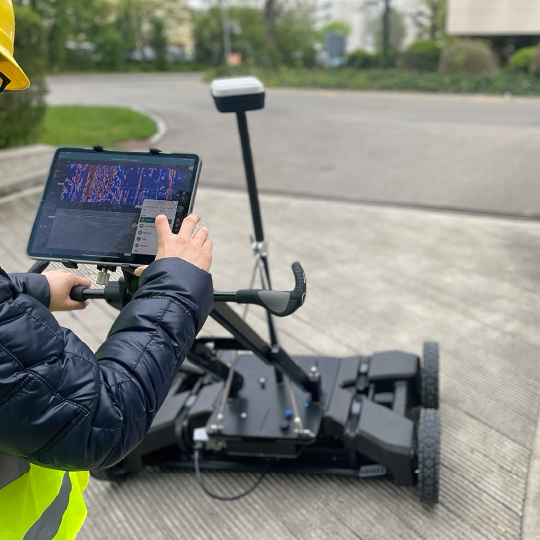
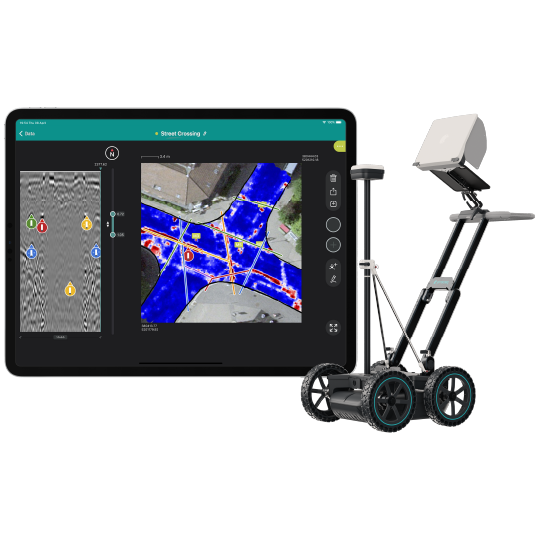
subsurface mapping with GPR plays an important role. Engineers use ground-penetrating radar to scan large areas and build a clearer picture of underground conditions before design decisions are finalized. The data helps teams spot potential conflicts early, reducing the chance of unexpected discoveries during excavation. With better visibility below the surface, planners can adjust layouts, refine construction plans, and lower the risk of damaging buried assets once work starts, especially on complex urban projects with layered infrastructure and aging utility corridors.
Utility Locating and Damage Prevention
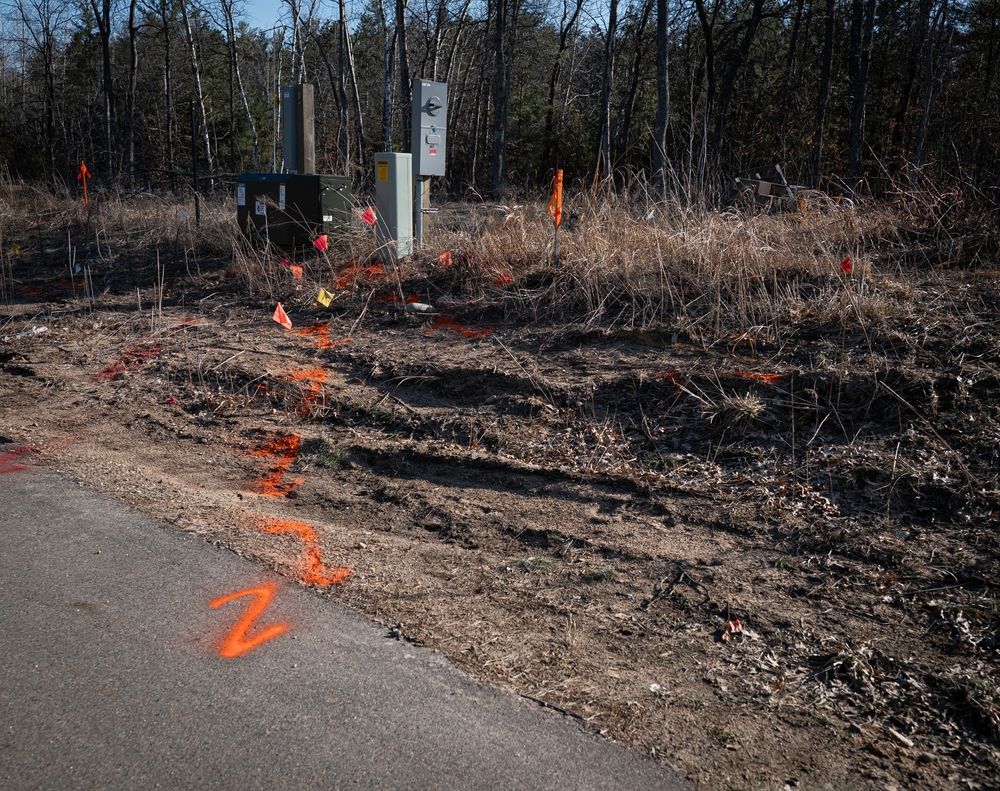
Utility strikes remain some of the most expensive and dangerous mistakes on active jobsites. Beneath streets, parking lots, and construction zones lies a dense network of power lines, water pipes, gas mains, and communication cables. Many of these systems were installed decades apart, leaving records incomplete or outdated. When crews begin trenching or drilling without accurate information, the risk of a hit rises quickly.
This is where
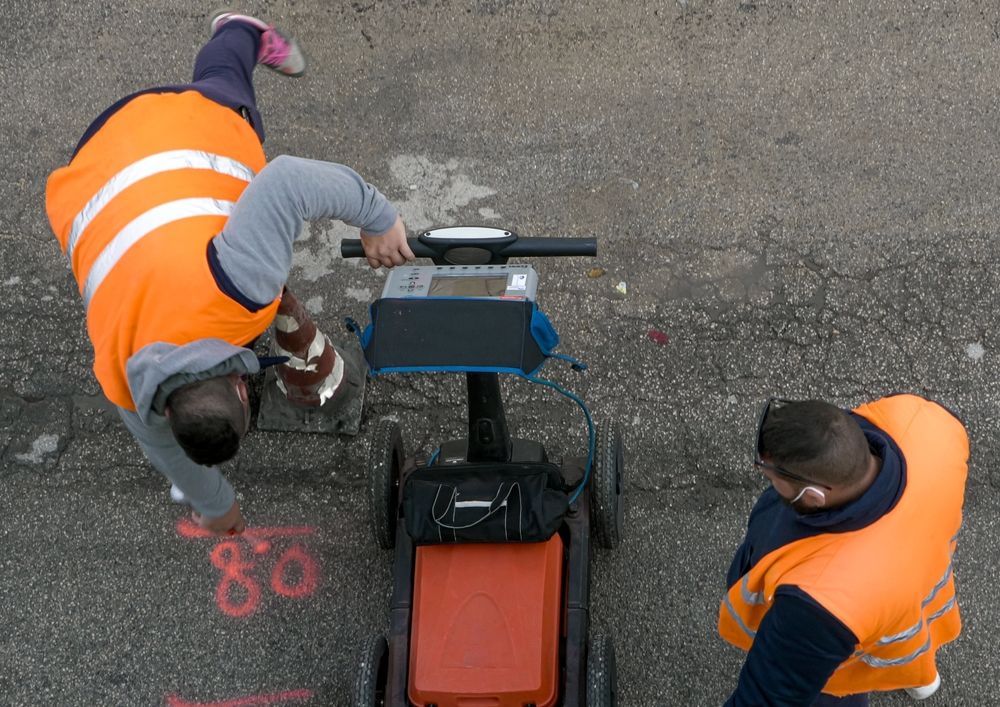
GPR for utility locating becomes essential. Ground penetrating radar helps scanning teams identify buried infrastructure before excavation starts. By mapping utilities below the surface, crews can mark safer digging paths and avoid damaging active lines. That means fewer service interruptions, lower repair costs, and safer working conditions for everyone on site. For utility locators, consistent subsurface imaging turns uncertain ground into something far more predictable.
Government Infrastructure Projects
Government infrastructure projects often involve older structures, layered construction phases, and incomplete records. Crews working on public buildings, water facilities, or municipal upgrades frequently encounter unknown reinforcement, conduit, or utilities hidden within concrete. Drilling or coring without reliable subsurface imaging raises the odds of damaging structural elements or active lines.
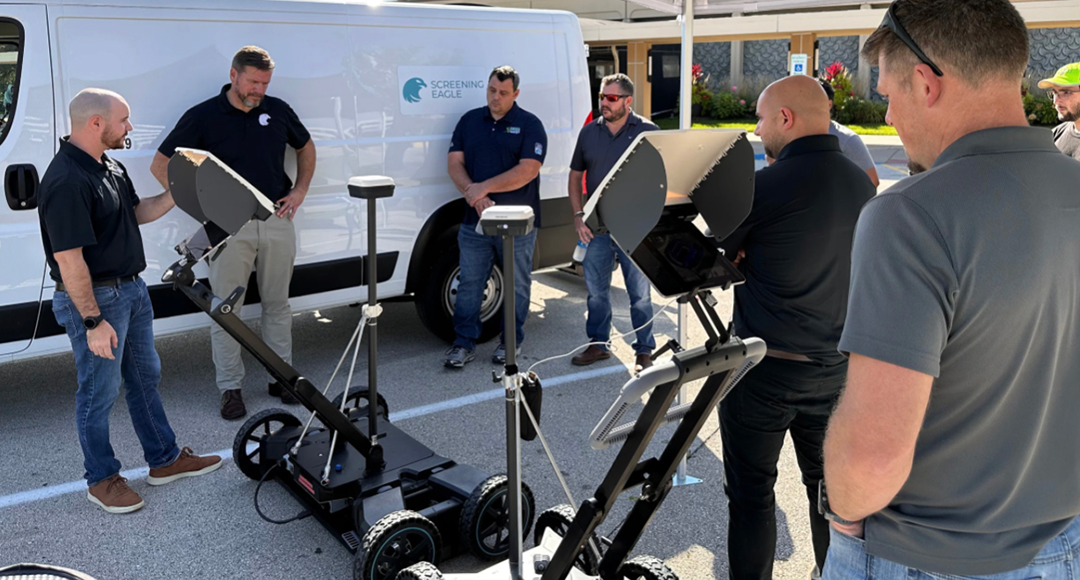
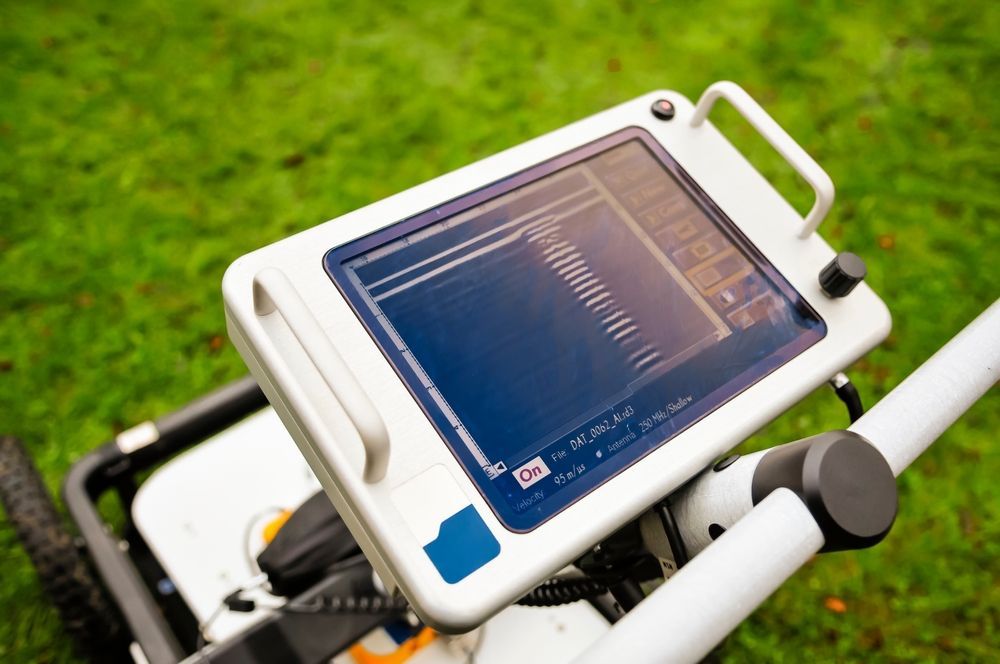
For many agencies, training is just as important as the equipment used in the field. When scanning teams know how to read radar data and interpret subsurface conditions, project decisions become more informed. Many municipalities see how
GPR training boosts field confidence, especially for teams responsible for evaluating public infrastructure. With stronger scanning practices and clear data interpretation, inspectors and contractors can mark safe drilling locations and plan repair work with greater clarity before construction begins, reducing delays and costly rework.
Transportation and Bridge Inspection
Roadways and bridge structures face constant stress from traffic, weather, and time. Maintenance teams often need to drill into concrete decks, inspect reinforcement, or evaluate deterioration within structural layers. The challenge is that bridge decks and highway slabs contain dense reinforcement, conduits, and multiple construction layers hidden beneath the surface.
Ground-penetrating radar helps inspectors examine these structures without damaging them. By scanning bridge decks and roadway sections, crews can locate reinforcement patterns and identify subsurface irregularities before repair work begins. Understanding the
different materials GPR can detect helps inspection teams interpret scan data more accurately when evaluating structural conditions. With clearer subsurface imaging, transportation departments can plan targeted repairs, cut unnecessary demolition, and manage long-term infrastructure maintenance with better information about what lies inside the structure during inspections and maintenance planning across aging highway systems.
Environmental and Geophysical Surveys
Environmental consultants and geophysical teams often work in areas where underground conditions are largely unknown. Land development, environmental assessments, and site investigations frequently involve scanning large sections of ground to find buried objects, voids, or past infrastructure. Digging blindly in these environments can disturb contaminated soil, hidden debris, or abandoned structures.
Ground penetrating radar lets survey teams study subsurface conditions without disturbing the ground itself. By scanning across open land, fields, and development sites, GPR helps identify anomalies that may affect environmental planning or construction activity. This approach gives teams better information before excavation starts. With clearer subsurface data, project planners can evaluate potential risks, document underground features, and move forward with site decisions based on measurable conditions rather than guesswork, improving the accuracy of environmental assessments and land development planning.
Structural Concrete Inspection Services
Structural inspectors often work on buildings that have been modified, repaired, or expanded over many years. Original drawings may be missing, and reinforcement layouts inside concrete slabs or walls are not always predictable. When renovation or structural work begins, cutting or coring without accurate scanning can lead to damaged rebar, post-tension cables, or embedded utilities.
Ground penetrating radar has become a trusted way to evaluate reinforced concrete before work begins. Many inspection teams compare
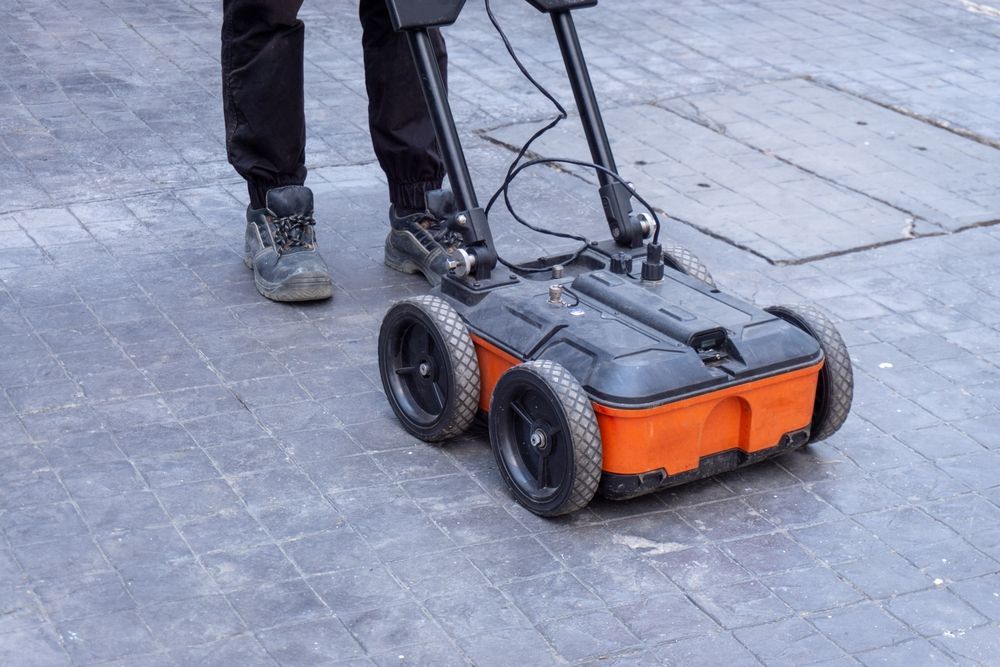
concrete scanning and X-ray when deciding how to examine structural elements. While both methods have their place, GPR lets scanning crews review large areas quickly and collect subsurface data without shutting down nearby work zones. With better visibility inside concrete, inspectors can identify reinforcement patterns, mark safer drilling locations, and plan structural modifications with greater confidence before tools touch the slab.

Ground penetrating radar now plays a role in many fields where hidden conditions influence real decisions. From commercial construction to environmental surveys, teams rely on subsurface imaging to reduce uncertainty before work begins. With capable equipment and solid training, scanning professionals can take on complex projects with clearer information and fewer surprises below the surface.
Contact GPR USA to learn more.