Ultrasonics vs. GPR: Which Is Better for Concrete Assessment?

June 15, 2026

Share this Article:

For most concrete assessment projects, ground penetrating radar is the better choice when the goal is locating embedded objects, mapping reinforcement, and avoiding hits before cutting, coring, or drilling. Ultrasonic testing is often the stronger option when evaluating concrete quality, thickness, or internal defects. The challenge is that many projects involve both objectives, making the choice less straightforward than it first appears. Understanding where each technology performs best helps contractors, engineers, and inspectors select the right tool for the task and gain greater confidence in the results.

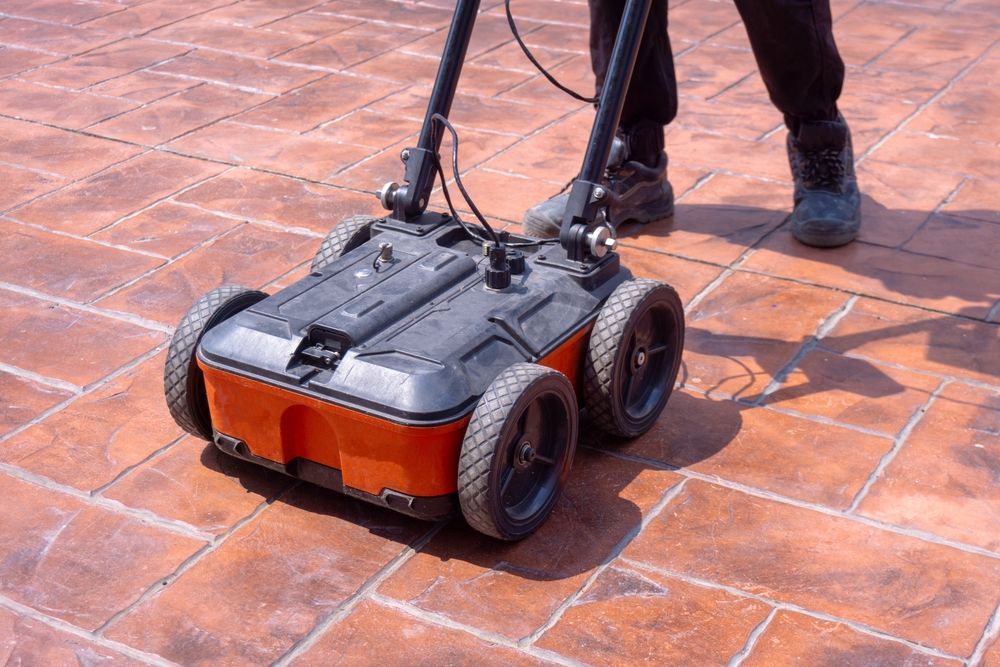
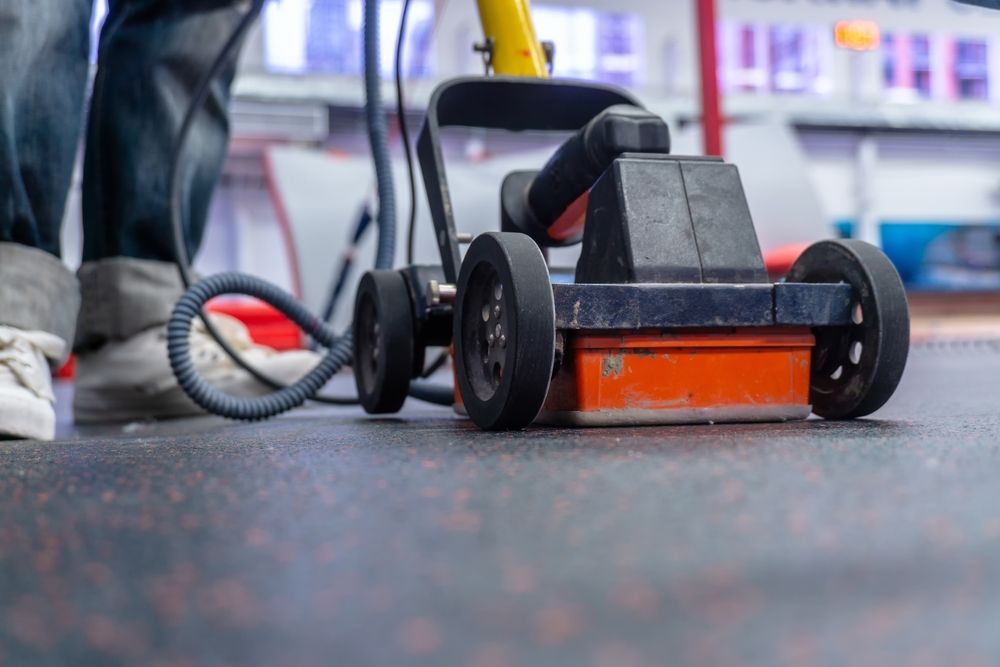
Orange-and-black four-wheeled floor-cleaning robot on a tiled patio, guided by a person’s hands and legs.

What Is Ground Penetrating Radar (GPR)?

Ground penetrating radar (GPR) is a concrete scanning technology used to locate and map objects hidden beneath the surface before cutting, coring, or drilling. By sending electromagnetic waves into the concrete and analyzing the reflected signals, GPR helps identify rebar, post-tension cables, conduits, voids, and other embedded features. The wide range of materials detected by GPR makes it one of the most commonly used tools for non-destructive concrete assessment. For contractors and engineers, the value is straightforward: a clearer picture of what is inside the concrete before work begins, helping reduce the risk of costly hits.

What Is Ultrasonic Concrete Testing?

Ultrasonic concrete testing is a non-destructive method used to evaluate the condition and internal characteristics of concrete. The technology works by sending high-frequency sound waves through the material and measuring how those waves travel and return. Changes in wave speed or signal patterns can indicate cracks, voids, honeycombing, delamination, or other structural concerns. Unlike GPR, which is primarily used to locate embedded objects, ultrasonic testing focuses on assessing the concrete itself. This makes it a valuable tool when the goal is understanding concrete quality, thickness, or potential internal defects.

GPR vs. Ultrasonics: Side-by-Side Comparison

When comparing ultrasonics vs. GPR, the better option depends on the goal of the assessment. GPR excels at locating embedded objects, while ultrasonic testing is designed to evaluate the condition and integrity of the concrete itself.

Detection Capabilities

The biggest difference between these technologies is what they are designed to detect.

GPR:

Locates and maps embedded objects within concrete, including rebar, post-tension cables, conduits, and voids. It is commonly used before cutting, coring, or drilling and is often compared with X-ray concrete scanning for locating embedded features.

Ultrasonics:

Evaluates the condition of the concrete itself by identifying cracks, delamination, honeycombing, thickness variations, and other internal defects. It is commonly used when assessing structural integrity rather than locating embedded objects.

Speed and Efficiency on the Jobsite

When schedules are tight, the speed of the assessment method can affect overall productivity.

GPR:

Produces results in real time, allowing operators to scan and mark areas quickly. This helps minimize delays on active jobsites and keeps projects moving according to schedule.

Ultrasonics:

Requires additional setup and data analysis before results can be interpreted. This can increase the time needed for an assessment, particularly on larger or more complex structures.

Ease of Use and Training Requirements

Both technologies benefit from proper training, but the learning curve and day-to-day use can differ.

GPR:

Modern systems are designed for efficient field use, though operators still need training to accurately interpret scan data. Many professionals find that GPR training boosts field confidence and improves decision-making.

Ultrasonics:

Operators must understand testing procedures and data interpretation to draw accurate conclusions. Specialized knowledge is often needed to evaluate concrete conditions and internal defects.

Accuracy and Reliability

Both technologies can produce reliable results when used correctly, but they measure different aspects of concrete.

GPR:

Delivers dependable location and depth information for embedded objects, making it a trusted tool when subsurface mapping accuracy is a priority. Results are strongest when scans are performed by trained operators.

Ultrasonics:

Delivers reliable data about concrete condition, including internal defects and thickness variations. Accuracy depends on proper testing procedures and careful interpretation of the collected data.

Cost Considerations

Cost depends on the equipment, training, and scope of the assessment rather than the technology alone.

GPR:

The cost of ground penetrating radar can vary based on system capabilities and operator training. For many teams, the ability to quickly locate embedded objects can help reduce delays.

Ultrasonics:

Costs vary based on the testing method, equipment, and level of analysis required. More detailed evaluations may increase the time and resources needed for an assessment.

When Should You Use GPR?

GPR is the better choice when the goal is locating and mapping embedded objects before cutting, coring, drilling, or demolition work begins. In the discussion of ultrasonics vs. GPR, GPR stands out for identifying rebar, post-tension cables, conduits, and voids while providing real-time results in the field. It is commonly used on active jobsites where speed, accessibility, and minimizing disruption are important considerations. For contractors and engineers focused on avoiding hits and gaining a clearer understanding of what lies inside the concrete, GPR is often the preferred assessment method for both planning and execution activities.

When Should You Use Ultrasonics?

Ultrasonic testing is the better choice when the primary goal is evaluating the condition of the concrete rather than locating embedded objects. It is commonly used to identify cracks, delamination, honeycombing, thickness variations, and other internal defects that may affect structural performance. Engineers, inspectors, and asset owners often rely on ultrasonic methods when investigating deterioration or assessing the overall quality of a structure. While the process can require additional setup and analysis, it provides valuable insight into concrete integrity and helps inform maintenance, repair, rehabilitation, and long-term asset management decisions across a wide range of structures and applications.

Why Many Professionals Use Both Technologies

For many projects, the choice is not between GPR and ultrasonics but how the two technologies can work together. GPR helps locate and map embedded objects, while ultrasonic testing evaluates the condition and integrity of the concrete itself. Using both methods can create a more complete understanding of a structure before repairs, renovations, or new construction activities begin. By combining object detection with concrete condition assessment, project teams can make more informed decisions and reduce uncertainty during planning and execution. This approach is especially useful on complex or high-risk projects.

Choosing the Right Equipment and Training

Selecting the right assessment method starts with understanding the goals of the project. The right equipment, combined with proper training, helps teams collect reliable data and interpret results with greater confidence. Whether the focus is on locating embedded objects or evaluating concrete conditions, investing in the right tools and knowledge can lead to safer, more efficient project outcomes.

Share with Us!

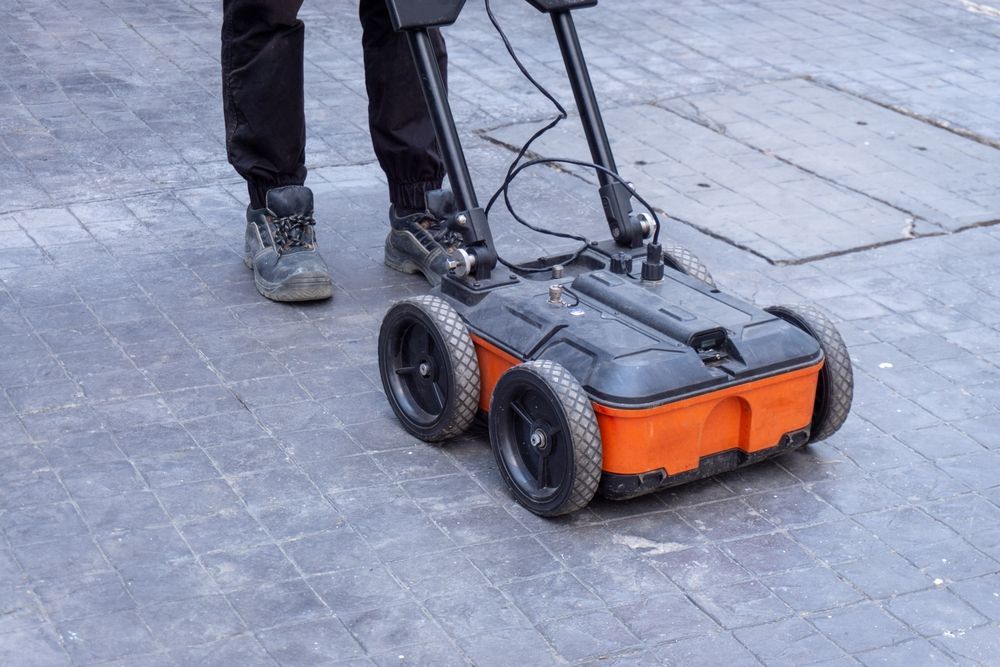
Orange-and-black ground robot on cobblestone pavement beside a person’s legs and shoes
May 15, 2026
Compare handheld vs cart GPR systems with GPR USA and find the right setup for concrete scanning and utility mapping.
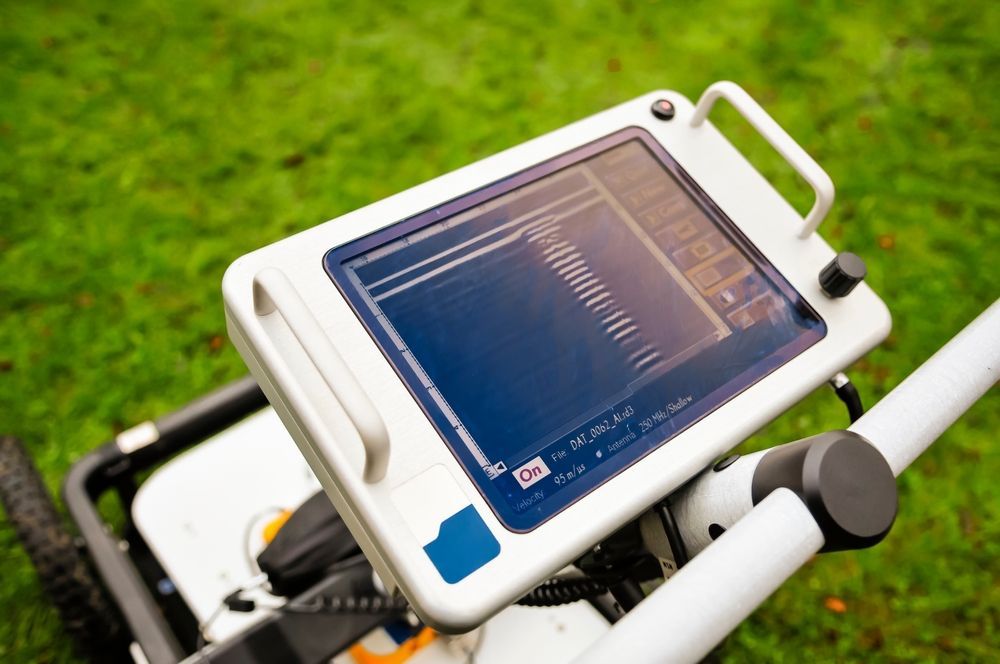
A close-up view of a ground-penetrating radar display screen mounted on a cart, set against a green grass background.
March 12, 2026
Explore the top industries for GPR scanning, from construction to infrastructure inspections. Learn how GPR USA helps teams detect hidden subsurface risks.
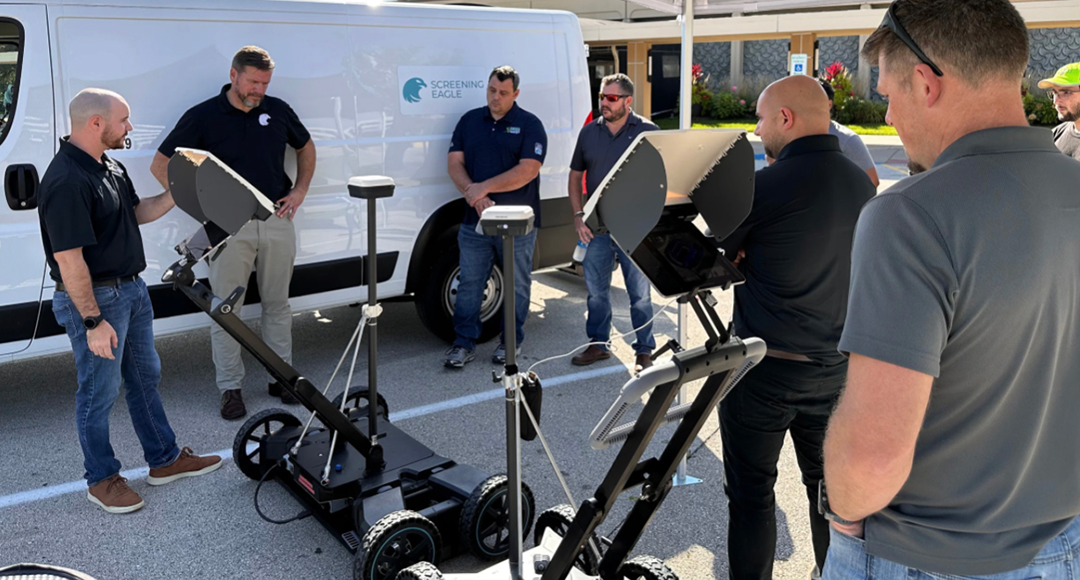
Group of men with surveying equipment near a white van, outdoors.
February 26, 2026
Build real GPR training confidence with hands-on instruction and support from GPR USA. Strengthen field performance today.
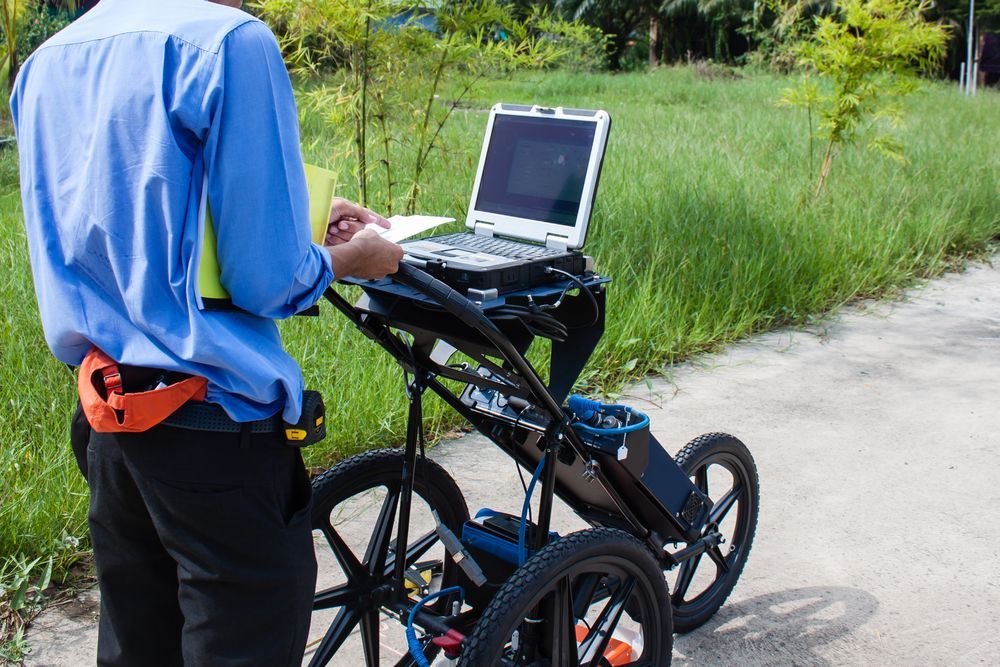
Man using ground-penetrating radar on a cart outdoors. He's wearing blue and black, with a laptop open.
February 18, 2026
Explore concrete x-ray differences with GPR USA and learn how scanning methods affect safety, accuracy, and jobsite efficiency.
Two people in orange vests using ground-penetrating radar on asphalt, marking the ground.
January 9, 2026
Should you buy GPR, rent GPR, or hire help for utility locating? Compare GPR for utility locating with GPR USA.
Tablet displaying underground utility map with a GPR cart.
January 8, 2026
Learn the top uses of GPR construction scanning to improve safety, avoid hits, and plan accurately with experts at GPR USA.
A cart-like device on a paved road, possibly for ground surveying; it has a computer, sensors, and is surrounded by cars.
November 18, 2025
GPR USA explains how accurate subsurface mapping with GPR is, helping crews understand depth, precision, and factors that influence reliable underground data.
Person operating ground-penetrating radar on an asphalt road, device on wheels, red markings.
November 17, 2025
GPR USA explains what GPR can find, helping crews identify underground materials, utilities, and features for safer, more accurate field decisions.
3D rendering of a surface scan with a grid pattern. Color gradients indicate variations, with red representing highs and blue representing lows.
By GPR USA September 15, 2025
Learn what underground utility mapping is, how GPR detects buried utilities, and why accurate mapping prevents strikes, delays, and safety risks.
Construction worker using device on wall, viewing display on tablet.
By GPR USA September 12, 2025
Explore Ground Penetrating Radar (GPR) costs, factors that impact pricing, and how investing in your own system can save time, money, and delays.
Show More