How Weather and Soil Conditions Affect GPR Penetration Depth
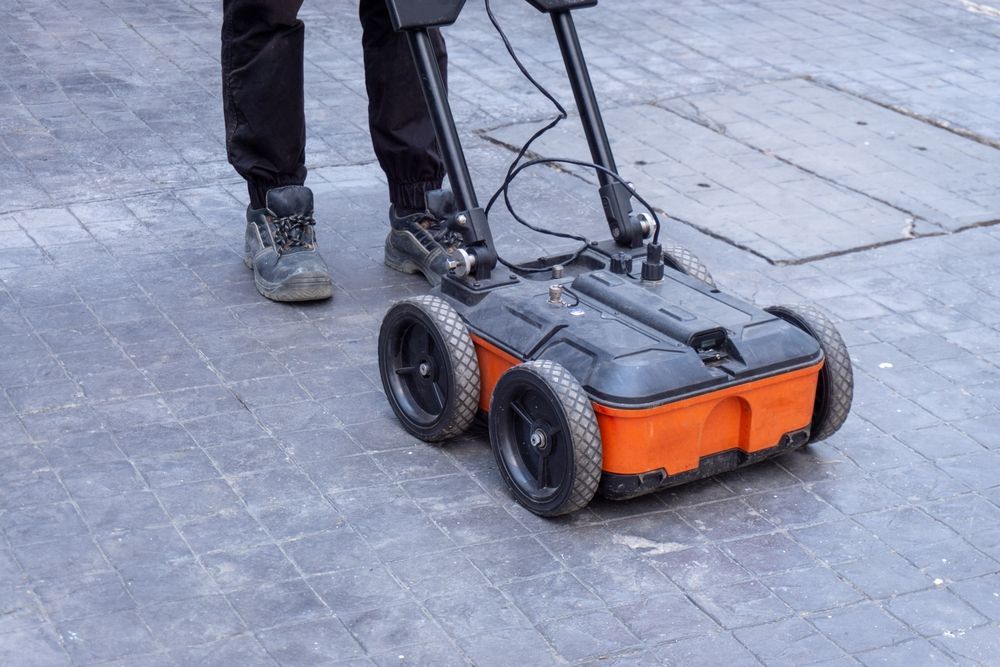
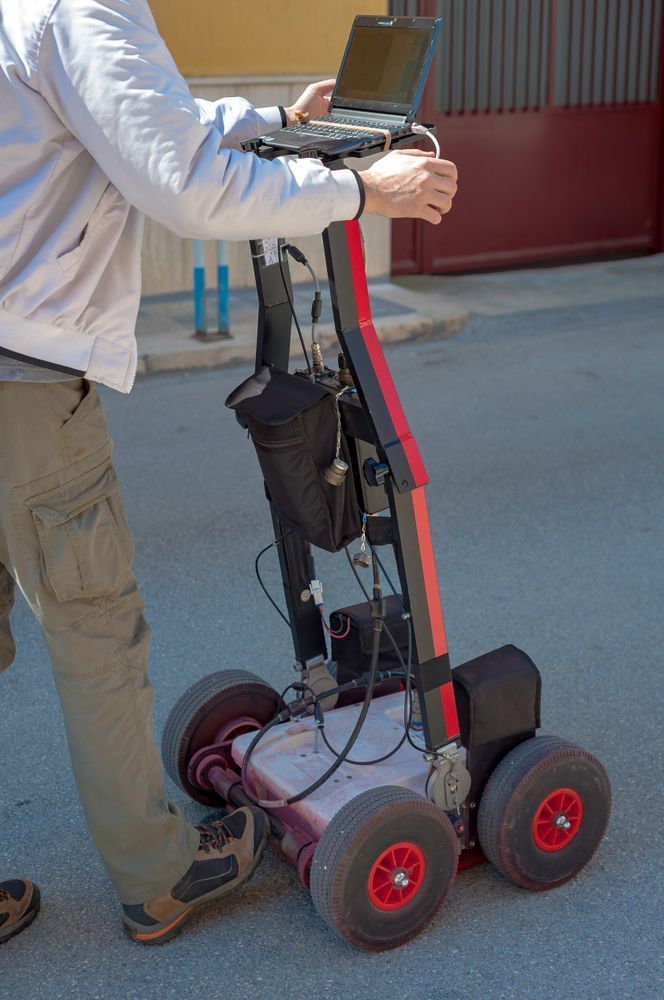
Ground penetrating radar does not have one fixed scanning depth. The depth you can realistically achieve depends on soil type, moisture, weather conditions, antenna frequency, and the size of the target. The same scanner can produce very different results from one jobsite to the next.
Understanding what affects GPR depth helps crews set realistic expectations before excavation, utility locating, or subsurface imaging begins. The sections below explain why conditions change throughout the year and what practical steps can help produce more reliable results in the field.

Why GPR Depth Changes From One Jobsite to the Next
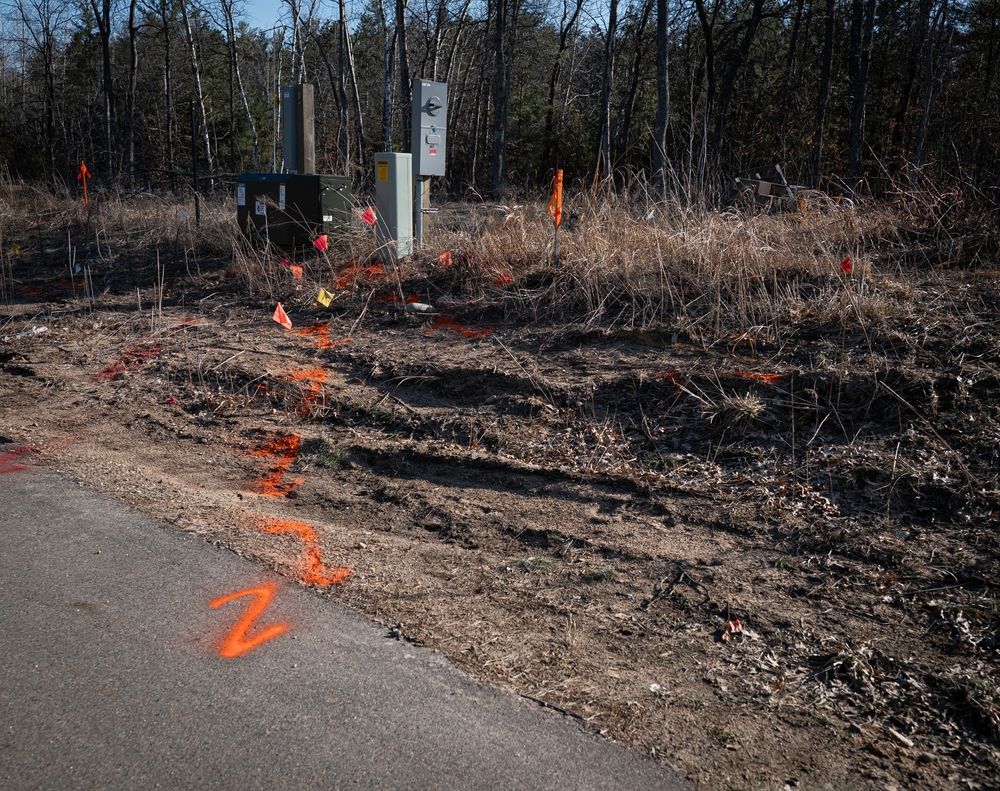
Ground conditions can change significantly from one jobsite to the next, so scanning results often vary. Soil composition, moisture levels, buried debris, antenna frequency, and target size all affect how far radar signals travel before weakening. Even nearby sites can produce different results because subsurface materials behave differently.
Published depth ranges should be treated as estimates, not guarantees. Field conditions determine how much usable information returns to the scanner, and those conditions can shift after rain, during dry weather, or across seasons. Recognizing these variables helps crews plan scans with realistic expectations.
What Does “GPR Penetration Depth” Actually Mean?
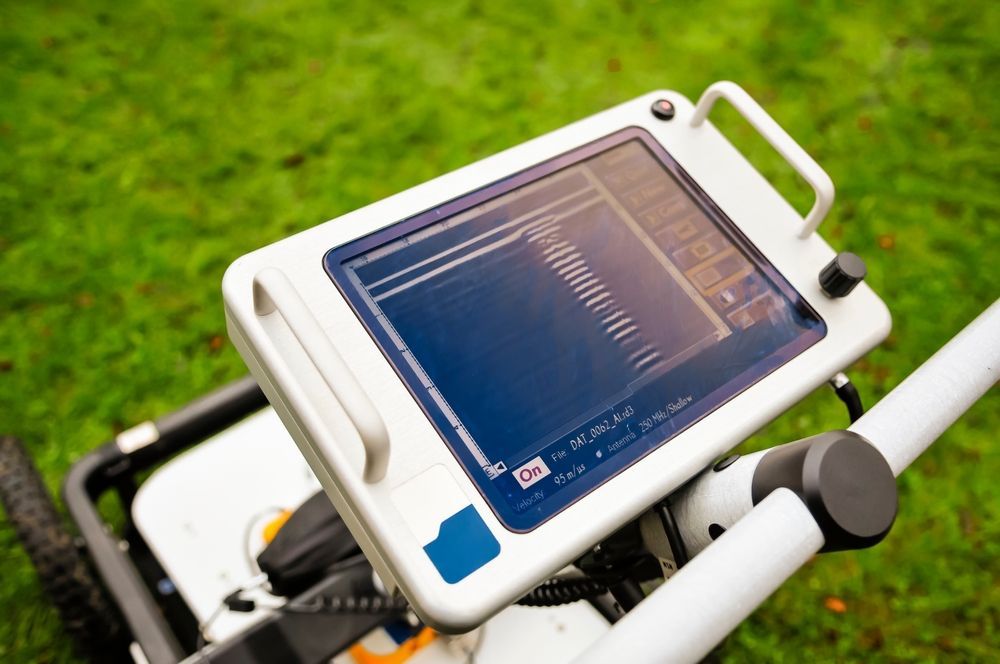
GPR penetration depth refers to how far radar signals travel into the ground and still return useful information. That does not mean every buried object within that range will appear clearly or be easy to identify. Soil conditions, target size, and antenna frequency all influence how much detail is captured at deeper levels.
This distinction is important because penetration depth and
subsurface mapping accuracy are not the same thing. A scanner may detect reflections at greater depths, but reliable interpretation depends on receiving a clear enough signal to confidently locate and map the target.
How Soil Type Affects GPR Performance
Different soils influence how radar signals travel below the surface, affecting both penetration depth and image clarity. Understanding these differences also helps explain the
materials GPR can detect, since soil conditions play a major role in how buried targets appear.
Sand and Gravel
Dry sand and gravel are often among the most favorable conditions for ground penetrating radar because they drain well and have relatively low electrical conductivity. Radar signals can travel farther through these materials, often producing clearer reflections from buried objects. Performance can still vary, though, if the ground contains mixed fill, large rocks, or significant moisture after heavy rainfall.
Clay and Silt
Clay and silt tend to hold more moisture than sandy soils, increasing electrical conductivity and reducing how far radar signals travel. Wet clay can limit penetration depth and weaken returning signals, making smaller or deeper targets harder to interpret. Even so, useful results are still possible when operators adjust equipment settings and set realistic expectations for site conditions.
Rocky or Mixed Ground
Rocky soils and mixed fill can create complex radar images because signals reflect from multiple materials below the surface. Construction debris, large stones, and changing soil layers may produce extra reflections that make buried utilities or structures more difficult to distinguish. In these conditions, slower scanning speeds and careful interpretation become even more important.
How Moisture and Weather Change Results
Weather does not directly change how ground-penetrating radar works. Instead, it changes the condition of the ground itself. As moisture and temperature shift, radar signals can travel farther, weaken more quickly, or produce reflections that are harder to interpret.
Rain and Saturated Soil
Heavy rain can reduce penetration depth because water increases the soil's electrical conductivity, causing radar signals to weaken more quickly. Saturated ground may also create less distinct reflections, making deeper or smaller targets harder to interpret. Running a short test scan after significant rainfall can help determine if conditions are suitable before beginning larger scanning operations.
Dry and Hot Conditions
Dry conditions often help radar signals travel farther, especially in sandy or well-drained soils with lower conductivity. However, extremely dry ground can develop cracks or uneven surfaces that affect antenna contact and data consistency. Site conditions should still be evaluated before assuming dry weather will produce the best possible results, particularly where loose fill or changing soil layers are present.
Frozen Ground, Snow, and Ice
Frozen ground does not always reduce GPR performance. Uniform frozen soil can sometimes support good signal penetration, while thawing ground, wet snow, or ice layers may create more complex reflections. Winter scanning often depends less on temperature alone and more on how consistently frozen the ground remains across the site, along with recent weather patterns and surface conditions.
Why Seasonal Conditions Matter
Seasonal weather patterns can influence GPR performance long before a crew arrives on site. Spring often brings saturated soils, summer can leave the ground dry and cracked, fall conditions vary with rainfall, and winter introduces frozen ground, snow, or ice. Each season changes how radar signals travel below the surface.
These changes do not automatically prevent successful scanning, but they can affect penetration depth, image clarity, and confidence in the results. They also help explain why the same location may produce different scan results throughout the year. Reviewing recent weather and site conditions helps crews plan more effectively and set realistic expectations before work begins.
How to Improve GPR Results in Difficult Conditions
Challenging site conditions do not always mean a project has to stop. Small adjustments before scanning can produce more consistent results and help crews set realistic expectations. Choosing subsurface mapping products designed for the expected depth, target, and soil conditions is one part of that process, but field preparation matters just as much.
- Review recent weather and known soil conditions before arriving on site.
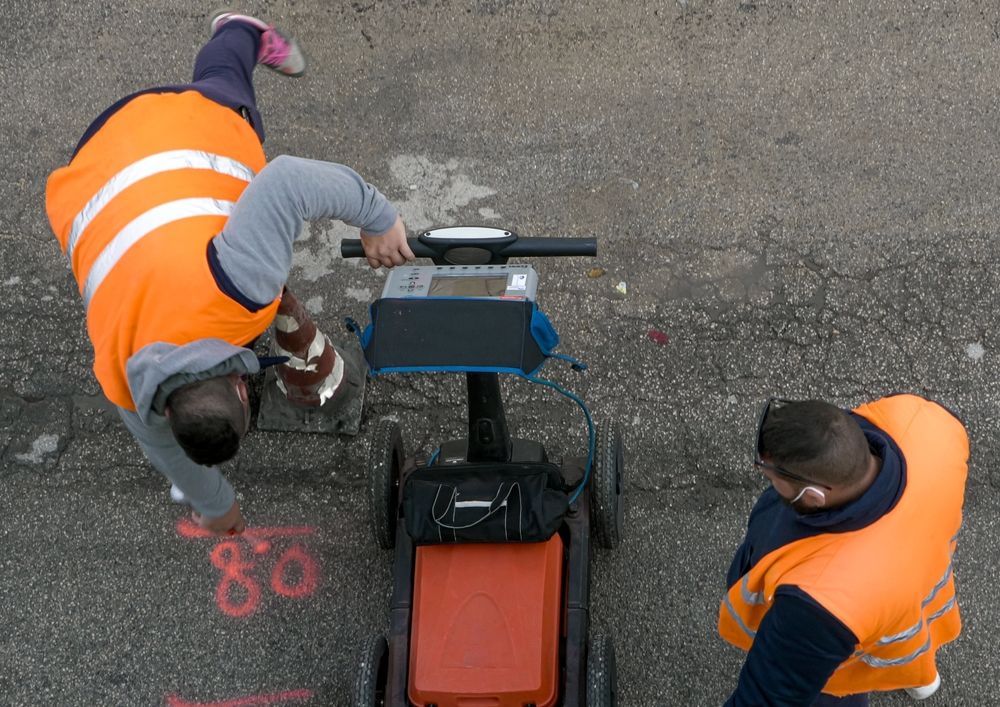
- Run a short test scan to verify signal quality before scanning the full work area.
- Match the antenna frequency, scanning pattern, and project expectations to current site conditions.

Why Training and Equipment Support Matter
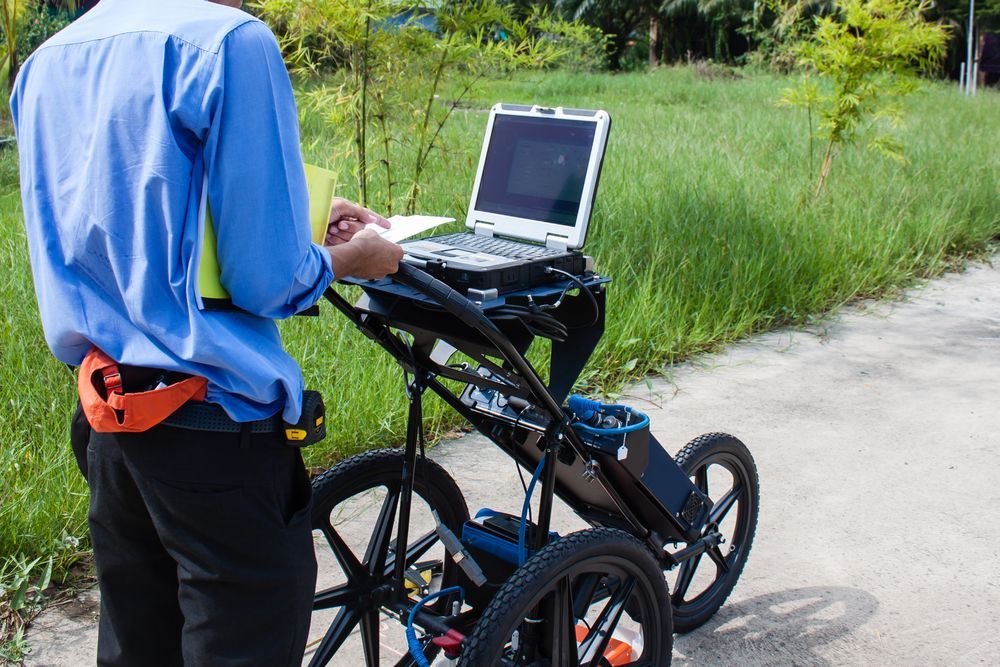
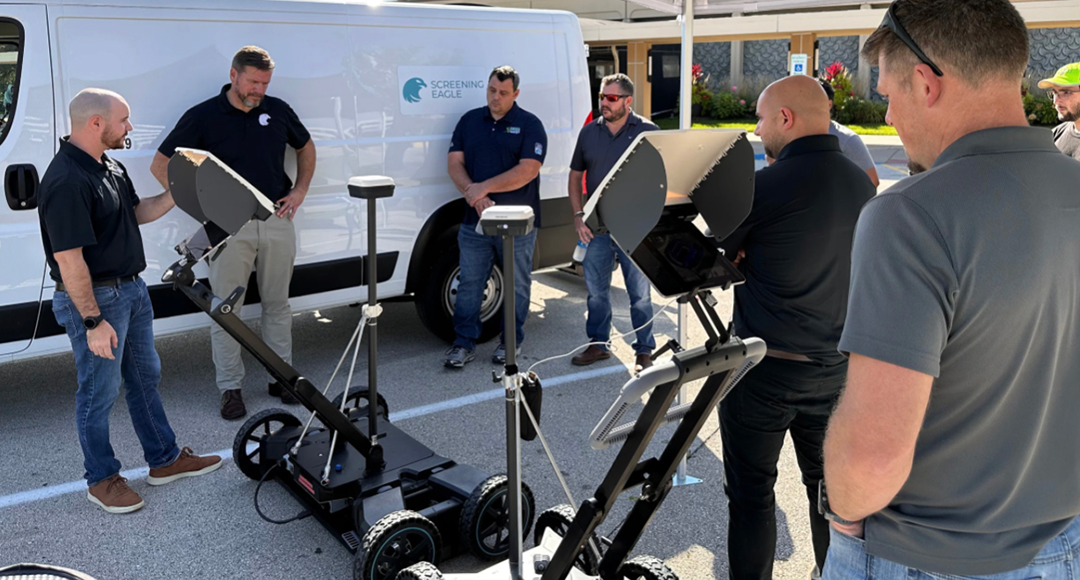
Even the best equipment performs better when operators understand how changing site conditions affect data collection and interpretation. Hands-on GPR training helps crews recognize when results are reliable, when adjustments are needed, and when additional scanning methods should be considered. Keeping equipment in good working condition is equally important for consistent performance in the field.
GPR USA also offers
Proceq GPR repair services to help keep scanners operating as expected throughout their service life. If you have questions about equipment, training, or repairs,
contact us for more information.